Come scegliere una macchina sbavatrice per metalli: 8 fattori decisivi
Se la tua officina si affida ancora alla sbavatura manuale, o se le tue attrezzature attuali non riescono a stare al passo con il volume degli ordini, questa guida ti aiuterà a fare chiarezza. Scoprirai esattamente cosa cercare in una macchina per la sbavatura dei metalli, come confrontare le diverse tipologie di processo e come evitare l'errore costoso di acquistare un modello non adatto alle tue reali esigenze.

Conclusioni chiave
- Bave e scorie non sono lo stesso problema: richiedono configurazioni della macchina differenti. Identificare erroneamente il tipo di taglio è l'errore di selezione più comune tra chi è alle prime armi.
- Il materiale conta tanto quanto il processo. Alluminio, acciaio inossidabile e acciaio al carbonio richiedono ciascuno supporti abrasivi, impostazioni di pressione e approcci alla gestione del calore differenti.
- Le macchine a secco coprono la maggior parte delle applicazioni standard. Quelle a umido sono necessarie solo quando la sensibilità al calore o il rischio di incendio rappresentano un fattore concreto.
- La lavorazione su entrambi i lati elimina la fase di ribaltamento, ma giustifica il sovrapprezzo solo con volumi di produzione sufficienti. Fate i conti prima di procedere con la specifica.
- Il livello di automazione non si misura dalla presenza di un touchscreen. La memoria dei programmi, la compensazione dell'usura e la predisposizione all'integrazione robotica sono le caratteristiche che incidono realmente sulla produttività e sul costo della manodopera.
- Il costo totale di proprietà — supporti abrasivi, manutenzione, pezzi di ricambio, tempi di risposta dell'assistenza — è una cifra superiore al prezzo d'acquisto. Confrontate i fornitori in base al TCO, non solo al preventivo dell'attrezzatura.
- Eseguite dei test con i vostri pezzi reali prima di impegnarvi. La stessa macchina produce risultati diversi a seconda dei materiali e delle condizioni delle bave.
Stampaggio, taglio laser, taglio al plasma, taglio a fiamma: quasi tutti i processi di tranciatura dei metalli lasciano bave, scorie o ossidazione lungo il bordo tagliato. Non si tratta solo di problemi estetici. I bordi non lavorati compromettono l'adesione del rivestimento, riducono la precisione dell'assemblaggio ed espongono gli operatori al rischio di tagli. La molatura manuale è gestibile per volumi ridotti, ma con l'aumento della produzione la sbavatura manuale diventa un collo di bottiglia: risultati incoerenti, costi di manodopera elevati e rischi concreti per la sicurezza.
Una sbavatrice per metalli industriale standardizza l'intero processo: alimentazione, molatura, arrotondamento dei bordi e scarico in un unico passaggio, con risultati costanti su ogni pezzo. Il problema è che le macchine variano enormemente in base alle configurazioni: a secco o a umido, a lato singolo o doppio, con rulli a spazzola, spazzole rotanti o nastri abrasivi. Acquistare la specifica sbagliata non significa solo sprecare budget: potrebbe non risolvere affatto il tuo problema reale.
Ecco gli otto fattori che dovrebbero guidare la tua decisione d'acquisto.
Passaggio 1: Bava o scoria: non sono lo stesso problema
Molti acquirenti confondono questi due termini durante la prima selezione. In officina sembrano simili, ma corrispondono a configurazioni di macchina completamente diverse.
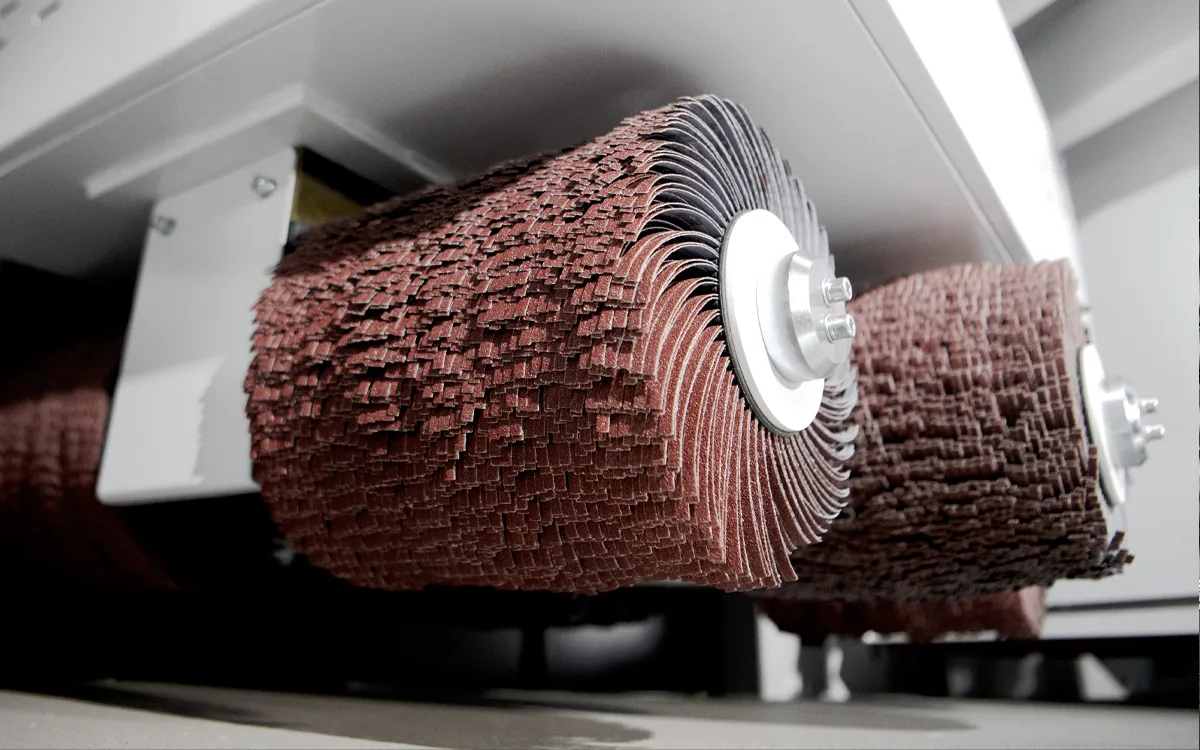
Le bave — le sottili sporgenze metalliche lasciate dallo stampaggio, dal taglio laser o dal taglio a getto d'acqua — si trovano vicino al bordo e rispondono bene ai rulli a spazzola o alle spazzole rotanti. Queste stesse unità possono eseguire contemporaneamente l'arrotondamento dei bordi in un unico passaggio.
Le scorie — il residuo più spesso e duro lasciato dal taglio al plasma o a fiamma — sono un'altra cosa. Spesso si fondono parzialmente con il metallo base e richiedono unità di molatura per carichi pesanti con una potenza notevolmente superiore. Una sbavatrice standard per carichi leggeri farà fatica o fallirà completamente contro le scorie pesanti del plasma.
Se il materiale in ingresso include pezzi tagliati con entrambi i metodi, hai due opzioni: una macchina multistazione configurata per entrambi — con una stazione dedicata a martelli per scorie che può essere esclusa quando non necessaria — o due macchine separate per ogni tipo di processo. Questa decisione deve essere presa in fase di specifica, non dopo la consegna.
Un buon esempio di approccio multistazione è la Evotec SlagMaster HSR: combina una stazione a martelli per scorie, un'unità a nastro largo e un set di spazzole rotanti. Ogni stazione può essere attivata o disattivata indipendentemente: se un determinato lotto non necessita di rimozione delle scorie, la stazione a martelli viene semplicemente esclusa senza compromettere la velocità di lavorazione complessiva.
Passaggio 2: Definisci il materiale e il range di spessore
Il tipo di materiale e lo spessore determinano direttamente quali unità abrasive sono necessarie e quanta potenza deve erogare la macchina.
L'acciaio al carbonio è il materiale più versatile. Le combinazioni standard di rulli a spazzola e spazzole rotanti gestiscono la sbavatura e l'arrotondamento dei bordi in un unico passaggio senza precauzioni particolari.
Acciaio inossidabile richiede un'attenta gestione del calore durante la molatura: temperature eccessive danneggiano lo strato di ossido passivo, causando scolorimento o rischi di corrosione successiva. Anche la scelta dell'abrasivo è fondamentale: i supporti standard possono incorporare particelle di acciaio al carbonio nella superficie dell'inox, creando punti di ruggine che compaiono settimane dopo.
Alluminio segue regole completamente diverse. È un materiale tenero, adesivo alle temperature di molatura e altamente termoconduttivo. La sbavatura dell'alluminio richiede stazioni a bassa pressione e formulazioni abrasive progettate specificamente per prevenire l'intasamento, fenomeno in cui le particelle di alluminio ostruiscono la superficie abrasiva degradando la qualità del taglio. L'applicazione di parametri standard per l'acciaio all'alluminio produce una finitura superficiale scadente e una rapida usura dell'abrasivo.
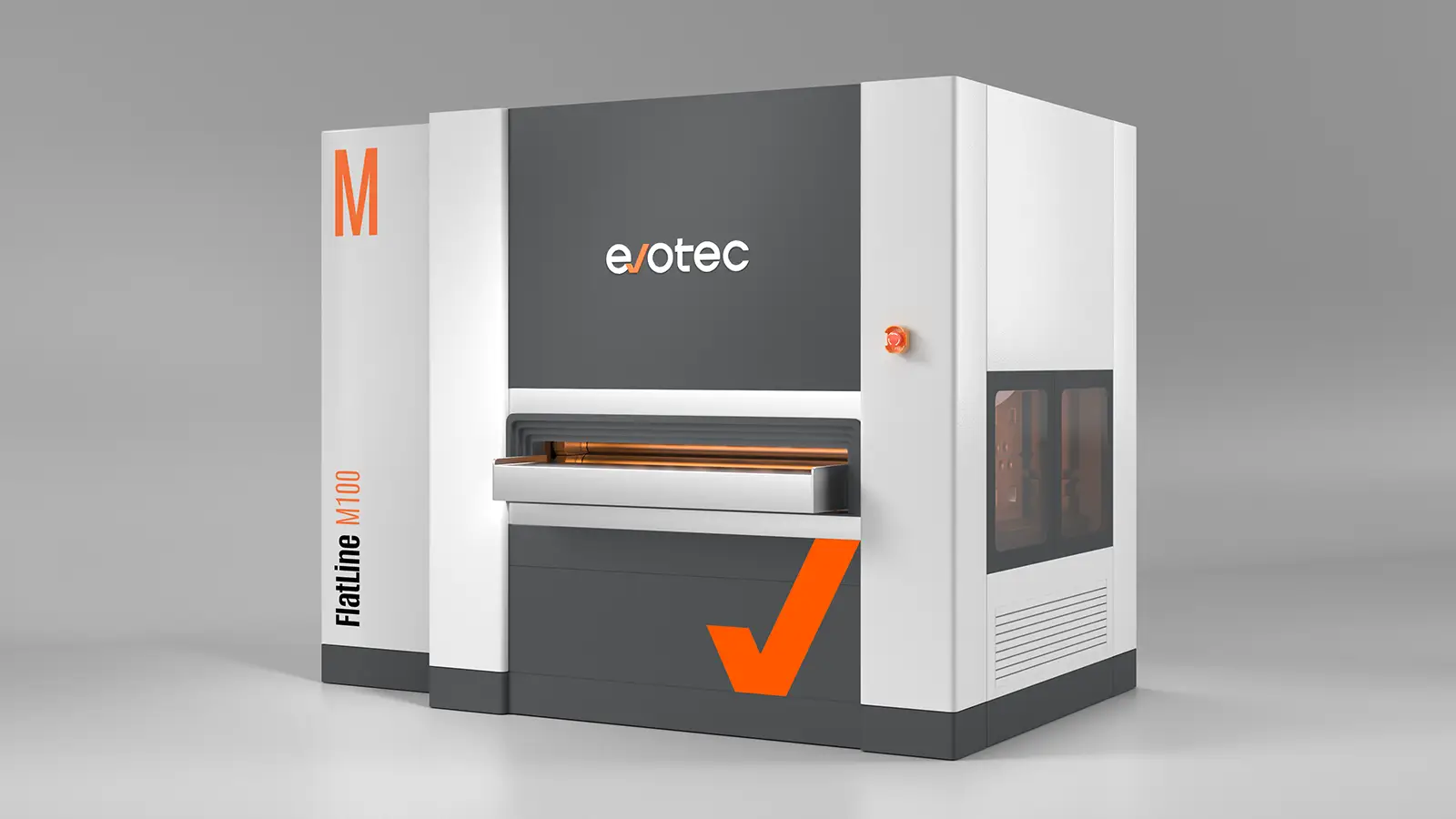
Anche lo spessore influenza la decisione. Le lamiere sottili (tipicamente 1–3 mm) richiedono un controllo rigoroso di calore e pressione per evitare deformazioni. Se i pezzi grezzi arrivano leggermente imbarcati a causa del taglio o della movimentazione, l'aggiunta di una spianatrice a rulli a valle corregge la planarità prima della verniciatura o dell'assemblaggio; ad esempio, la Serie Evotec Hydraulic Roller Leveler FlatLine è progettata per essere posizionata dopo la sbavatrice proprio per questo scopo. Le lamiere spesse (da 6 mm in su, specialmente se tagliate al plasma o a fiamma) richiedono una maggiore potenza di molatura e una solida capacità di gestione delle scorie.
Se la linea di produzione lavora materiali diversi, assicurati che la macchina supporti il cambio rapido dei parametri tramite programmi salvati, evitando la ricalibrazione manuale a ogni cambio materiale.
Fase 3: Adattare la struttura della macchina ai requisiti di produzione
Le sbavatrici si differenziano in base a diverse dimensioni strutturali. La scelta è fondamentalmente un compromesso tra questi aspetti:
A secco o a umido. Le macchine a secco sono meccanicamente più semplici, richiedono meno manutenzione e hanno costi operativi inferiori nel tempo: sono adatte alla maggior parte delle applicazioni standard. Le macchine a umido utilizzano il refrigerante per controllare il calore, rendendole la scelta ideale per materiali termosensibili o infiammabili e per applicazioni con forte contaminazione da olio, ma richiedono un sistema aggiuntivo di filtrazione del refrigerante e di smaltimento dei rifiuti.
Lato singolo o doppio lato. Le macchine a lato singolo lavorano una faccia e richiedono un ribaltamento manuale o automatico prima del secondo passaggio. Le macchine a doppio lato lavorano entrambe le facce in un unico passaggio, eliminando la fase di ribaltamento e riducendo significativamente il tempo di ciclo. Il costo dell'attrezzatura e la complessità meccanica sono maggiori: le configurazioni a doppio lato sono economicamente vantaggiose in produzioni di medio-alto volume dove entrambe le facce presentano costantemente bave.
Oggi esistono tre approcci pratici alla lavorazione a doppio lato nel settore. Prendendo come esempio la linea Evotec: il primo è una macchina personalizzata a doppia stazione con unità di lavorazione superiore e inferiore integrate in un unico telaio, che completa entrambe le facce in un solo passaggio. Il secondo utilizza un nastro trasportatore di ritorno, come l' Evotec U-Flow , per riportare i pezzi con la prima faccia lavorata all'ingresso, dove un operatore o un braccio robotico (come l' Evotec VSORT) ribalta e ricarica il pezzo per un secondo passaggio. Il terzo prevede un'unità di ribaltamento dedicata, come la Evotec Flipper — tra due macchine in serie: i pezzi escono dalla prima, vengono ribaltati automaticamente ed entrano nella seconda per la lavorazione della faccia opposta. Questo terzo approccio elimina completamente la movimentazione manuale ed è ideale per la produzione a flusso continuo.
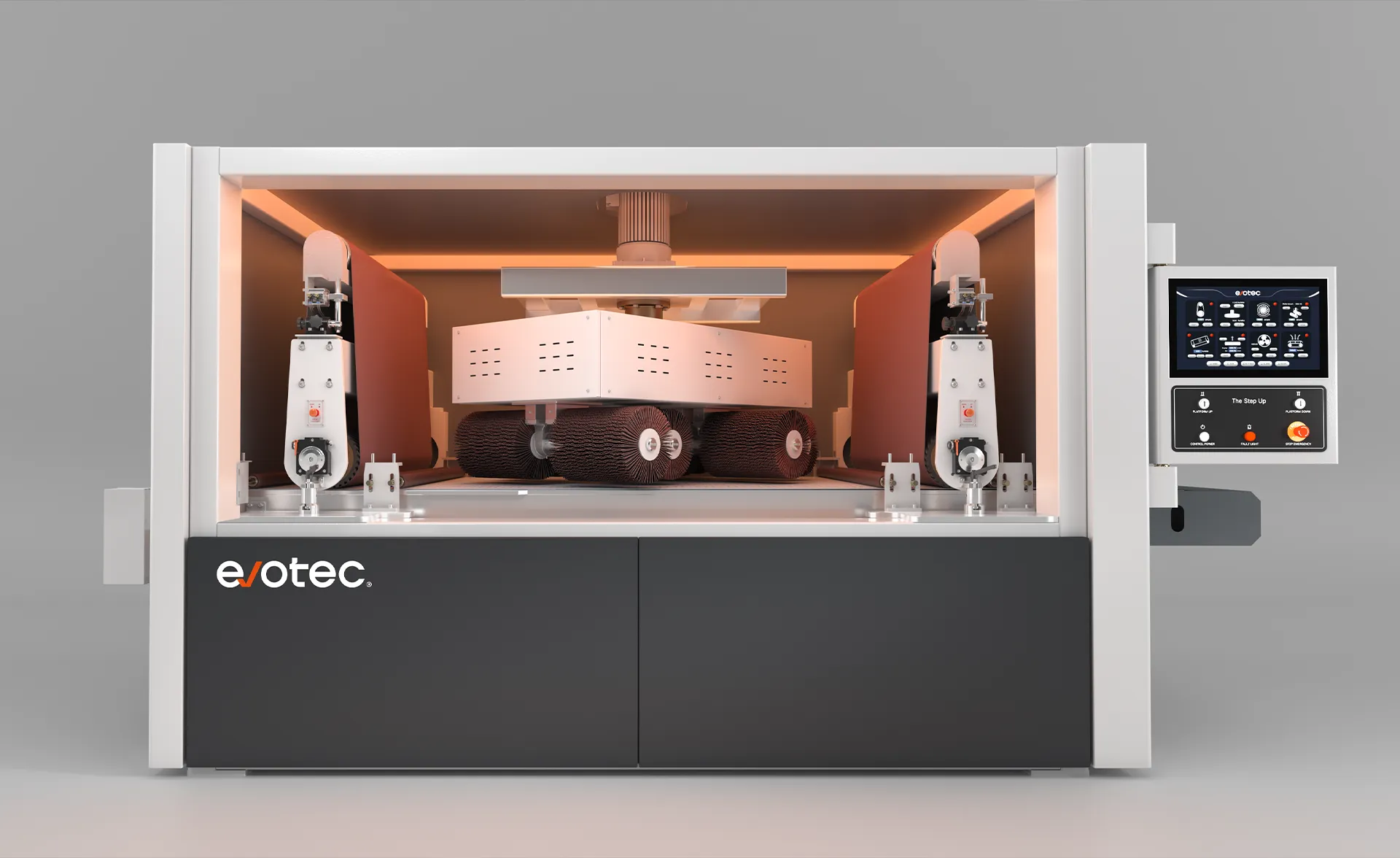
Tipo di unità abrasiva. I rulli a spazzola sono eccellenti per la pre-levigatura e la rimozione di bave più consistenti. Le spazzole rotanti offrono un arrotondamento dei bordi costante con un raggio uniforme sia sui profili interni che su quelli esterni, un aspetto critico quando le fasi successive di rivestimento o assemblaggio richiedono tolleranze rigorose sui bordi. Le unità abrasive a nastro gestiscono la finitura superficiale, la rimozione di scaglie e dello strato di ossido. La maggior parte delle macchine di fascia media e alta combina due o più tipi di unità, consentendo di completare sbavatura, arrotondamento dei bordi e preparazione della superficie in un unico passaggio.
Manuale, semiautomatica, completamente automatica. Le officine con bassi volumi e un'elevata varietà di geometrie irregolari ottengono spesso risultati migliori con macchine semiautomatiche — dotate di utensili guidati dall'operatore con movimento assistito — piuttosto che forzando tali pezzi in una linea completamente automatizzata. Per lotti di dimensioni ridotte e pezzi dalle dimensioni compatte, le macchine semiautomatiche rappresentano una scelta pratica e diffusa; la Evotec MultiFlex ne è un esempio: preserva la flessibilità operativa garantendo una costanza nettamente superiore rispetto alla levigatura manuale. La produzione di lamiere standardizzate ad alto volume dovrebbe puntare alla completa automazione per ridurre al minimo il costo del lavoro per pezzo e le variazioni di produttività.
Fase 4: Valutare i requisiti di automazione e integrazione di linea
Se gli obiettivi principali sono ridurre l'intervento manuale e stabilizzare la produttività, il livello di automazione va ben oltre la semplice presenza di un touchscreen. Le domande fondamentali sono:
Memoria programmi e tempi di attrezzaggio. Quanti set di parametri può memorizzare la macchina e un operatore è in grado di richiamare la ricetta corretta in meno di un minuto al cambio materiale? Il sistema Evotec EvoTrack , ad esempio, memorizza molteplici set di parametri di lavorazione — velocità di avanzamento, pressione, contatto dell'abrasivo — rendendo il passaggio tra diversi tipi di materiale una semplice operazione di richiamo programma, anziché un esercizio di regolazione manuale. Negli ambienti di produzione mista, la rapidità nel cambio ricetta si traduce direttamente in tempo utile di produzione.
Integrazione con robot e nastri trasportatori. La macchina è in grado di ricevere pezzi da un sistema di carico automatizzato e trasferirli a nastri trasportatori o attrezzature di impilamento a valle? Se l'obiettivo finale è il funzionamento senza operatore, questa integrazione deve essere definita prima dell'acquisto, non aggiunta dopo l'installazione.
Compensazione dell'usura e autoregolazione. Gli abrasivi si usurano costantemente durante la produzione. Le macchine dotate di rilevamento automatico dell'usura e compensazione della pressione mantengono un raggio di arrotondamento dei bordi e una finitura superficiale costanti per l'intero turno, senza necessità di intervento manuale. Senza questa funzione, la qualità dell'output tende a variare man mano che l'abrasivo si consuma.
Compatibilità con la linea a monte. Se la sbavatrice deve operare in linea a valle di una macchina da taglio laser o di una punzonatrice, verificare prima dell'ordine che la velocità del nastro, il protocollo di trasferimento dei pezzi e l'interfaccia di controllo siano compatibili con le apparecchiature a monte.
Checklist per la decisione pre-acquisto
Prima di richiedere preventivi a qualsiasi fornitore, assicurati di avere risposte chiare a queste domande:
- Quali processi di taglio vengono utilizzati per il materiale in ingresso? (Stampaggio / laser / plasma / fiamma / waterjet — o una combinazione di più metodi?)
- Quali materiali lavorate? (Acciaio al carbonio / acciaio inossidabile / alluminio — o diversi tipi?)
- Qual è il vostro intervallo di spessore? (Quali sono i pezzi più sottili e quelli più spessi nella produzione regolare?)
- Qual è il vostro volume mensile o per turno e prevedete una crescita nei prossimi 1-2 anni?
- L'esigenza principale è la sbavatura, l'arrotondamento dei bordi, la finitura superficiale, la rimozione di ossido/scorie — o una combinazione di queste?
- È necessario lavorare entrambi i lati del pezzo?
- La vostra struttura è in grado di supportare la lavorazione a umido e la gestione dei residui di refrigerante?
- È prevista l'integrazione con un sistema di carico robotizzato o con una macchina a monte?
Portate queste risposte alla prima conversazione con qualsiasi fornitore. Ciò consentirà di ottenere una raccomandazione accurata fin dal primo contatto, evitando preventivi generici che richiederebbero molteplici scambi di informazioni per essere perfezionati.
Principali marchi di macchine sbavatrici: una panoramica del mercato
Se vi trovate ancora nella fase di ricerca, comprendere il posizionamento tecnico dei principali produttori renderà più efficienti il confronto e la selezione successivi. Di seguito è riportato un riepilogo oggettivo dell'approccio di ciascun marchio, elencato senza alcun ordine di preferenza.
ARKU (Germania): La linea di prodotti comprende macchine sbavatrici, spianatrici a rulli e linee di lavorazione coil. È uno dei pochi produttori che considera la spianatura e la sbavatura come categorie di prodotto strategicamente equivalenti. La competenza tecnica nella spianatura di precisione è un punto di forza storico; la serie EdgeBreaker si occupa della sbavatura, con modelli distinti per pezzi tagliati al laser/stampati e per pezzi tagliati al plasma/fiamma.
Timesavers (Paesi Bassi): Uno dei produttori più longevi del settore. La serie di prodotti utilizza designazioni numeriche (11, 12, 21, 22, 31, 32, 41, 42, ecc.) che coprono combinazioni a secco, a umido e con spazzole a ruota. Produce anche attrezzature per la finitura superficiale del legno, operando in due settori industriali.
LISSMAC (Germania): Il principale elemento di differenziazione è la lavorazione simultanea su entrambi i lati (serie SBM). Il principio della rettifica incrociata completa entrambe le facce in un unico passaggio; il produttore dichiara una riduzione del tempo di ciclo fino al 60% rispetto alle macchine a lato singolo. Si posiziona principalmente per ambienti di produzione continua ad alto volume.
WEBER (Hans Weber) (Germania): L'architettura più modulare del segmento. Ruote di contatto, teste planetarie, spazzole rotanti e unità a nastro abrasivo sono trattate come blocchi intercambiabili: i clienti configurano le combinazioni delle stazioni in base al tipo di bava e al materiale specifico. Ideale per acquirenti con esigenze di lavorazione diversificate o in continua evoluzione.
Q-FIN (Paesi Bassi): Focalizzata sulla lavorazione di piccoli pezzi e sull'integrazione dell'automazione. Ha sviluppato la piattaforma software Qonnect+ per la connettività ERP/MES, il carico/scarico automatizzato e la tracciabilità dei dati di produzione. Il fattore di differenziazione risiede nell'integrazione digitale piuttosto che nell'innovazione hardware.
Loewer (Germania): La nomenclatura dei modelli si suddivide in base alla tipologia strutturale (BeltMaster / DiscMaster / CrossMaster / SwingGrinder). La SwingGrinder si colloca nello spazio tra la smerigliatura manuale e l'automazione di linea completa: un formato semiautomatico destinato ad ambienti con lotti di piccole e medie dimensioni e cambi di produzione flessibili.
Fladder (Danimarca): Tecnologia proprietaria a testa oscillante con nastri abrasivi. Opera su metallo, legno e plastica: uno dei pochi fornitori con una comprovata esperienza in applicazioni aerospaziali e automobilistiche, dove le specifiche per il trattamento dei bordi sono rigorose.
VG Machines (Belgio): Focalizzata specificamente sulla sbavatura di lamiere, l'arrotondamento dei bordi e la rimozione delle scorie. La serie SLK è orientata alla lavorazione delle scorie; il design della macchina punta sulla facilità d'uso e su tempi di consegna brevi.
GECAM / Costa Levigatrici (Italia): Due storici produttori italiani con radici nella finitura superficiale. Entrambi utilizzano una denominazione numerica/di serie per i modelli (serie G di GECAM, serie MD/S di Costa), coprendo applicazioni di sbavatura, lucidatura e trattamento superficiale. Lunga esperienza applicativa nei mercati europei.
Evotec: Specializzata nella sbavatura di lamiere all'interno del settore manifatturiero cinese, la linea di prodotti Evotec spazia dal modello semiautomatico MultiFlex a configurazioni multistazione completamente automatizzate come il SurfeX SSR, EdgeX SDR, FabGo 300e SlagMaster HSR. L'automazione periferica include il sistema di gestione del programma EvoTrack, il nastro trasportatore di ritorno U-Flow, il sistema di smistamento e carico robotizzato VSORTe l' unità di ribaltamento automatica Flipper. La serie FlatLine di spianatrici a rulli idrauliche a valle si integra direttamente dopo la linea di sbavatura per la correzione della planarità. L'intero ecosistema è progettato per pianificare una cella di sbavatura completa, non solo una macchina a sé stante.
Ogni produttore ha un approccio tecnico e un posizionamento di mercato distinti. La scelta giusta dipende in ultima analisi dai fattori decisionali trattati in precedenza: processo di taglio in ingresso, materiale, spessore, produttività e requisiti di automazione.
FAQs
D1: La sbavatura è lo stesso processo dell'arrotondamento dei bordi?
Non esattamente. La sbavatura rimuove la sporgenza metallica lasciata dal processo di taglio. L'arrotondamento dei bordi modella il bordo tagliente rimanente in un arco uniforme con un raggio definito. Molte macchine eseguono entrambe le operazioni in un unico passaggio, ma si tratta di obiettivi di processo distinti con requisiti di parametri differenti.
D2: Come scelgo tra una macchina per sbavatura a secco e una a umido?
Le macchine a secco richiedono meno manutenzione, sono più semplici da utilizzare e costano meno nel tempo: sono adatte alla maggior parte delle applicazioni standard. Le macchine a umido controllano il calore tramite il refrigerante, rendendole appropriate per materiali termosensibili o infiammabili. Se non sei sicuro, valuta innanzitutto se la tua struttura è in grado di gestire i requisiti di trattamento del refrigerante e smaltimento dei rifiuti di un sistema a umido. Spesso questo è il vincolo decisivo.
D3: Una sola macchina può lavorare acciaio al carbonio, acciaio inossidabile e alluminio?
La maggior parte delle macchine di fascia medio-alta può farlo, ma richiede cambi di materiale abrasivo e regolazioni dei parametri tra un materiale e l'altro. Prima dell'acquisto, conferma che la macchina supporti il richiamo rapido dei programmi invece di una riconfigurazione manuale completa e verifica che il materiale abrasivo disponibile copra tutti i materiali del tuo mix produttivo.
D4: I pezzi tagliati al plasma e a fiamma richiedono una macchina diversa da quelli tagliati al laser?
Generalmente sì. La scoria pesante è significativamente più resistente delle bave sottili prodotte dal taglio laser o dallo stampaggio. Una macchina configurata per la sbavatura di pezzi tagliati al laser solitamente non ha la potenza di rettifica necessaria per gestire la scoria pesante in modo affidabile; forzarla accelera l'usura dell'abrasivo e produce risultati incoerenti.
D5: Una macchina a doppia faccia vale il sovrapprezzo?
Con un volume di produzione sufficiente, in cui entrambi i lati richiedono costantemente la lavorazione, il risparmio di manodopera e tempo di ciclo ottenuto eliminando la fase di ribaltamento solitamente compensa il divario di costo entro un periodo di ammortamento ragionevole. Esegui il calcolo con i tuoi dati reali di produttività e costo del lavoro.
D6: La sbavatura automatizzata è pratica per la produzione a basso volume e alta varietà?
Sì, con la giusta scelta della macchina. Le macchine semiautomatiche con cambio rapido delle ricette e configurazioni flessibili offrono spesso un ROI migliore in ambienti ad alta varietà rispetto alle linee completamente automatizzate progettate per una produzione dedicata ad alto volume. La chiave è adattare il livello di automazione all'effettiva variabilità produttiva.
D7: Quanto incide il costo del materiale abrasivo sul costo operativo?
Abbastanza da essere incluso nei calcoli del costo totale di proprietà. Chiedi a ogni fornitore la durata prevista del materiale in base al tuo volume di produzione e al tipo di materiale, e includi tale cifra, non solo il prezzo di acquisto dell'attrezzatura, nel tuo confronto dei costi.
D8: Come definisco le specifiche di una macchina che non risulti sottodimensionata tra due anni?
Due fattori sono importanti: una velocità di avanzamento che abbia un margine superiore rispetto ai requisiti di picco attuali e un'architettura modulare che consenta l'aggiunta di stazioni di lavorazione dopo l'installazione. La maggior parte dei principali produttori, inclusi Evotec e Timesavers, supporta aggiornamenti dei moduli post-installazione: ciò significa che puoi configurare una macchina base per la produzione attuale e aggiungere stazioni man mano che il volume cresce, invece di sostituire la macchina.
D9: Oltre alla macchina stessa, per quali costi nascosti dovrei prevedere un budget?
I costi aggiuntivi comuni includono: infrastrutture per la raccolta delle polveri o la gestione del refrigerante, installazione e modifica della struttura, formazione degli operatori, inventario dei pezzi di ricambio e impegni di assistenza post-vendita. Questi costi non compaiono nel preventivo dell'attrezzatura ma incidono materialmente sul costo totale del primo anno. Chiariscili tutti prima di firmare.
D10: Posso testare la macchina con i miei pezzi reali prima di impegnarmi?
Fortemente raccomandato. La stessa macchina può produrre risultati notevolmente diversi a seconda dei materiali e delle condizioni di bava. Invia campioni rappresentativi, incluso il tipo di taglio più difficile, e valuta i pezzi finiti rispetto alle tue specifiche di qualità reali. La struttura di Evotec è disponibile per test su campioni pre-acquisto su appuntamento; se il test in loco non è logisticamente fattibile, i pezzi possono essere spediti per il test e restituiti con i parametri di processo documentati come riferimento per la tua decisione.
Prossimi passi
Se stai valutando l'acquisto di attrezzature per la sbavatura per il tuo stabilimento e vuoi confrontare le configurazioni di Evotec con le opzioni sopra indicate, visita la nostra pagina di panoramica delle macchine per sbavatura per le specifiche complete e il confronto tra i modelli.
Per ricevere una raccomandazione specifica in base al tuo materiale, alla gamma di spessori e al volume di produzione, invia una richiesta. Ti risponderemo solitamente entro 24 ore con una proposta di configurazione mirata e un preventivo.