
Hydraulic Precision Roller Levelers
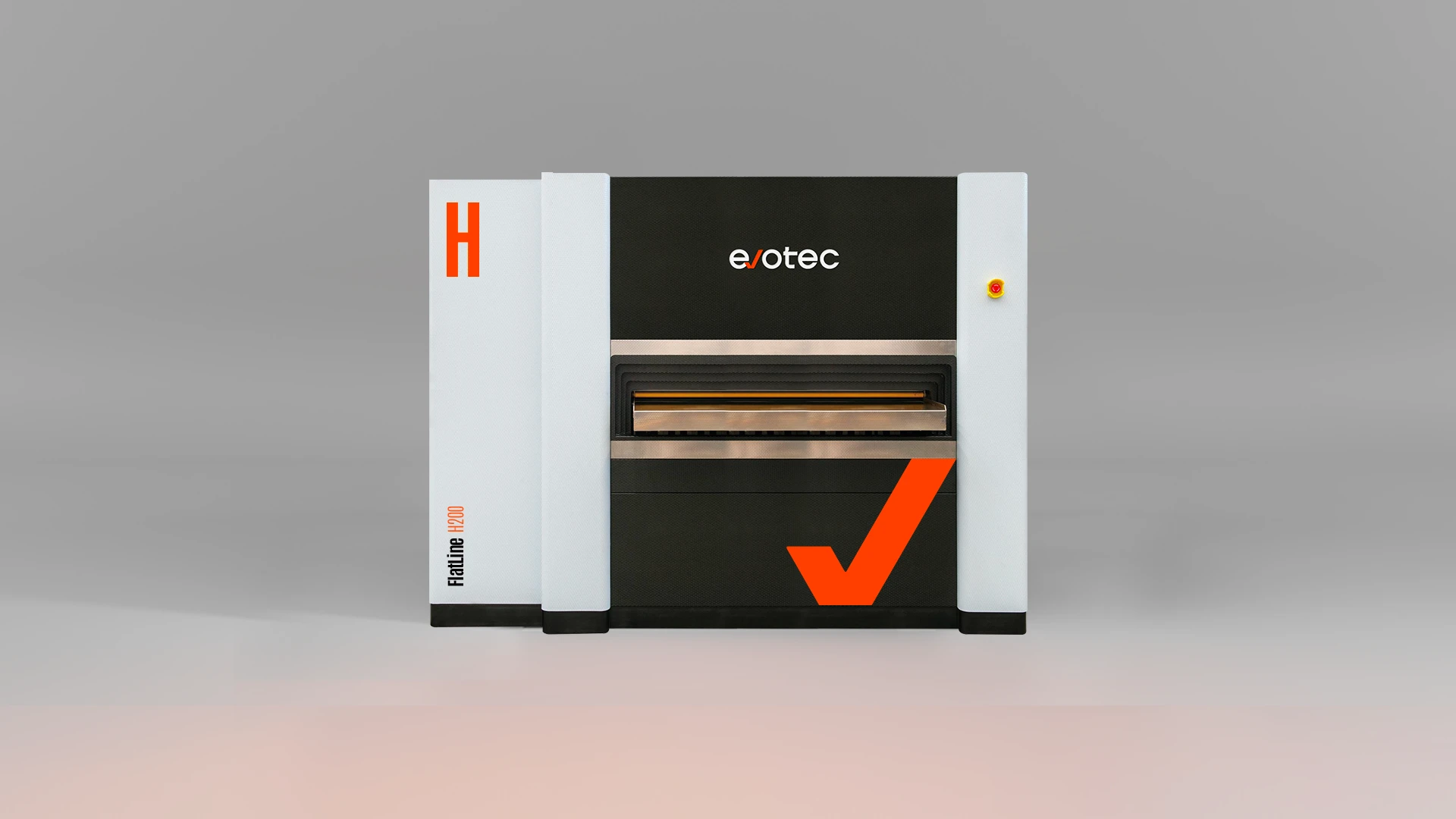
Evotec Hydraulic Precision Roller Levelers are engineered to correct flatness and release internal stress in sheet and plate materials—ranging from ultra-thin sheet to heavy plate. With application-specific designs for different thickness ranges and cutting processes, each system delivers controlled, repeatable leveling performance for downstream manufacturing.
Precision Metal Leveling
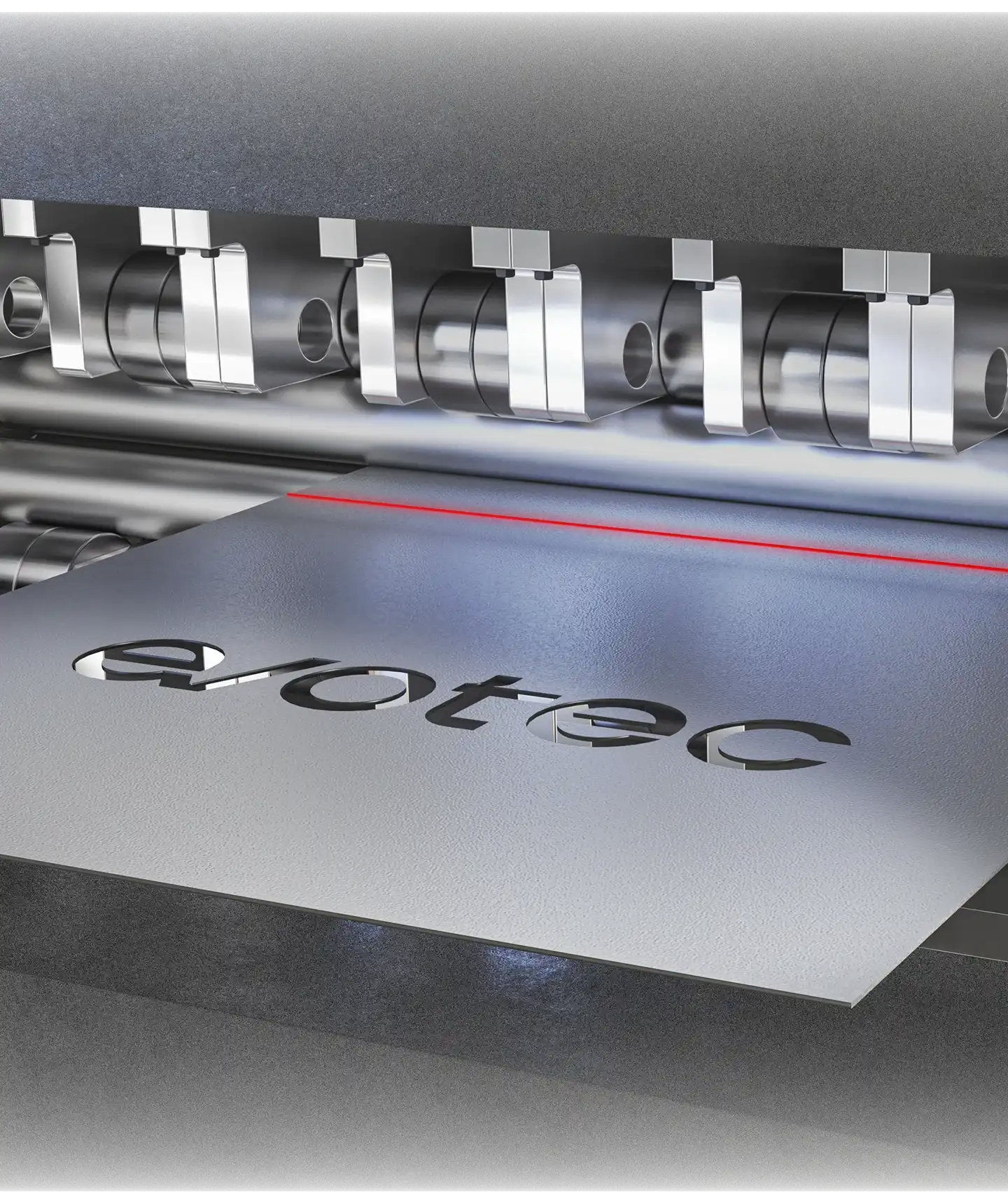
Evotec Hydraulic Precision Roller Levelers are designed around real production requirements—material variability, mixed cutting processes, and long operating cycles. Each system combines rigid mechanical design with responsive control technology to deliver stable flatness, controlled stress relief, and consistent results across a wide range of materials and thicknesses. Rather than a one-size-fits-all approach, Evotec offers purpose-built leveling solutions that align machine capability with application demands—helping manufacturers improve part quality while maintaining operational efficiency.
Solutions
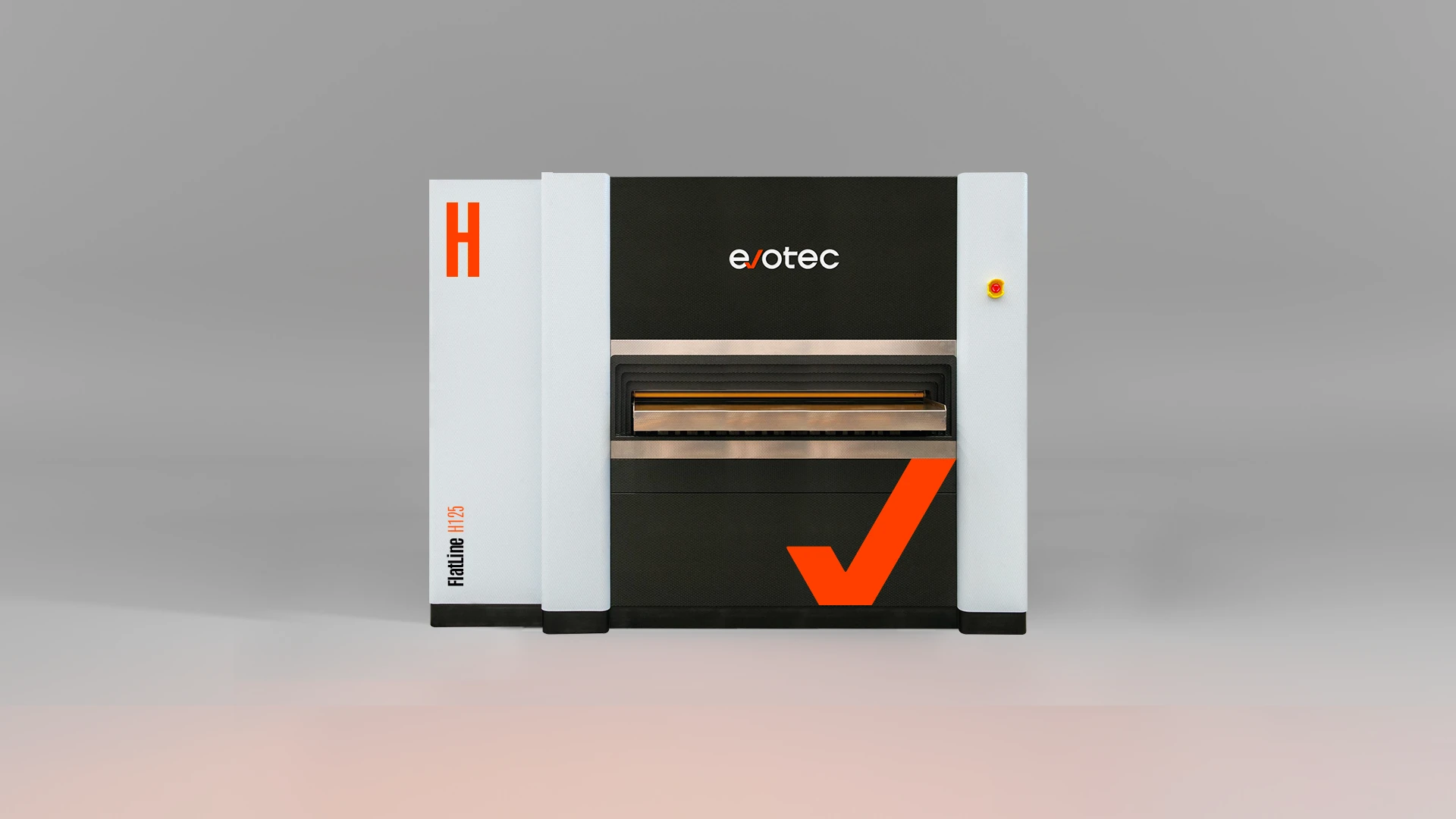
For Thin (0.1 mm - 10 mm) Sheet Metal Leveling
Designed for thin sheet metal leveling, this category addresses applications where flatness accuracy and surface quality are essential. The machines support high-precision cut materials and can process sheets as thin as 0.1 mm, including foil, coil material, and thin flat parts.
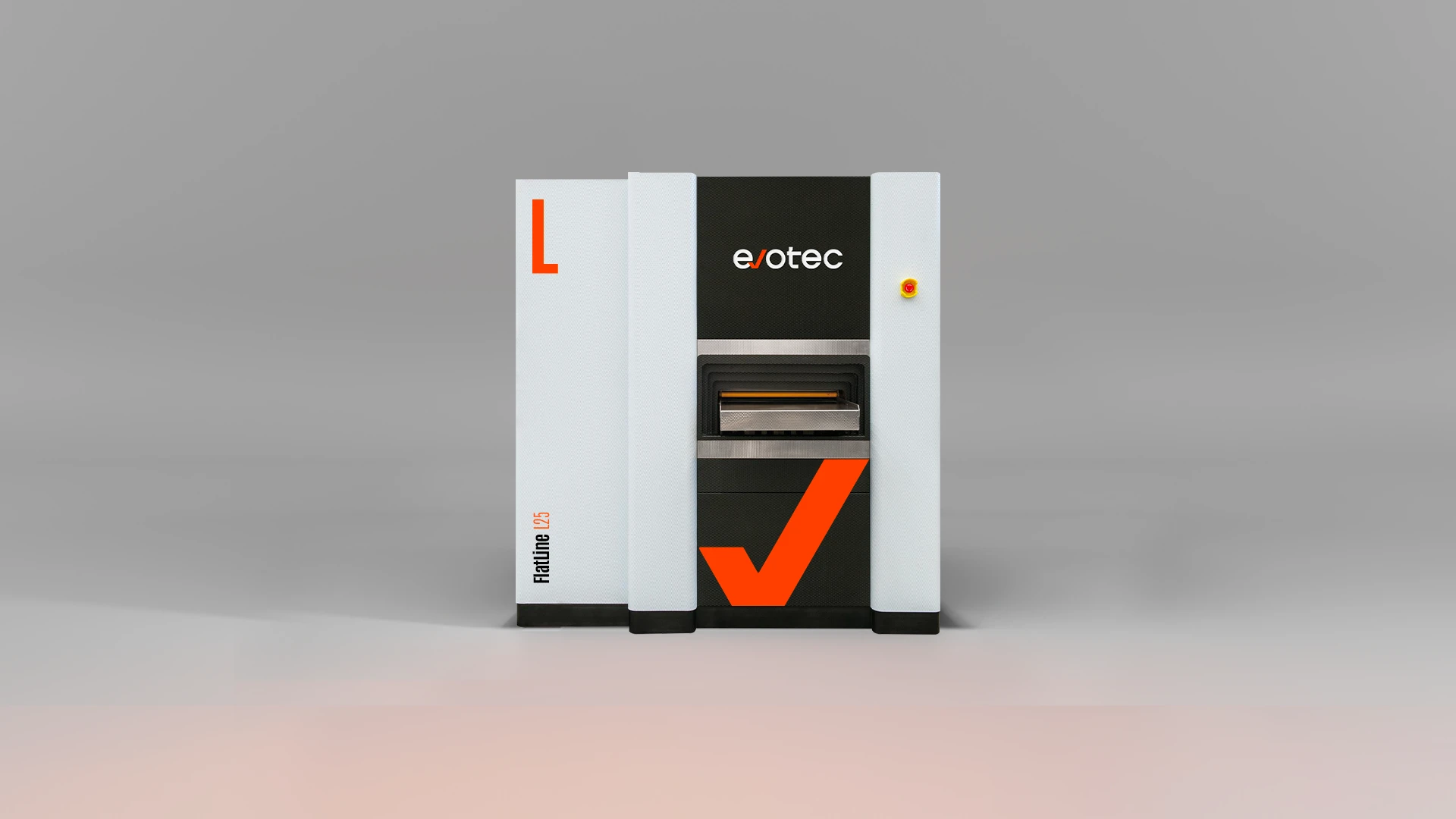
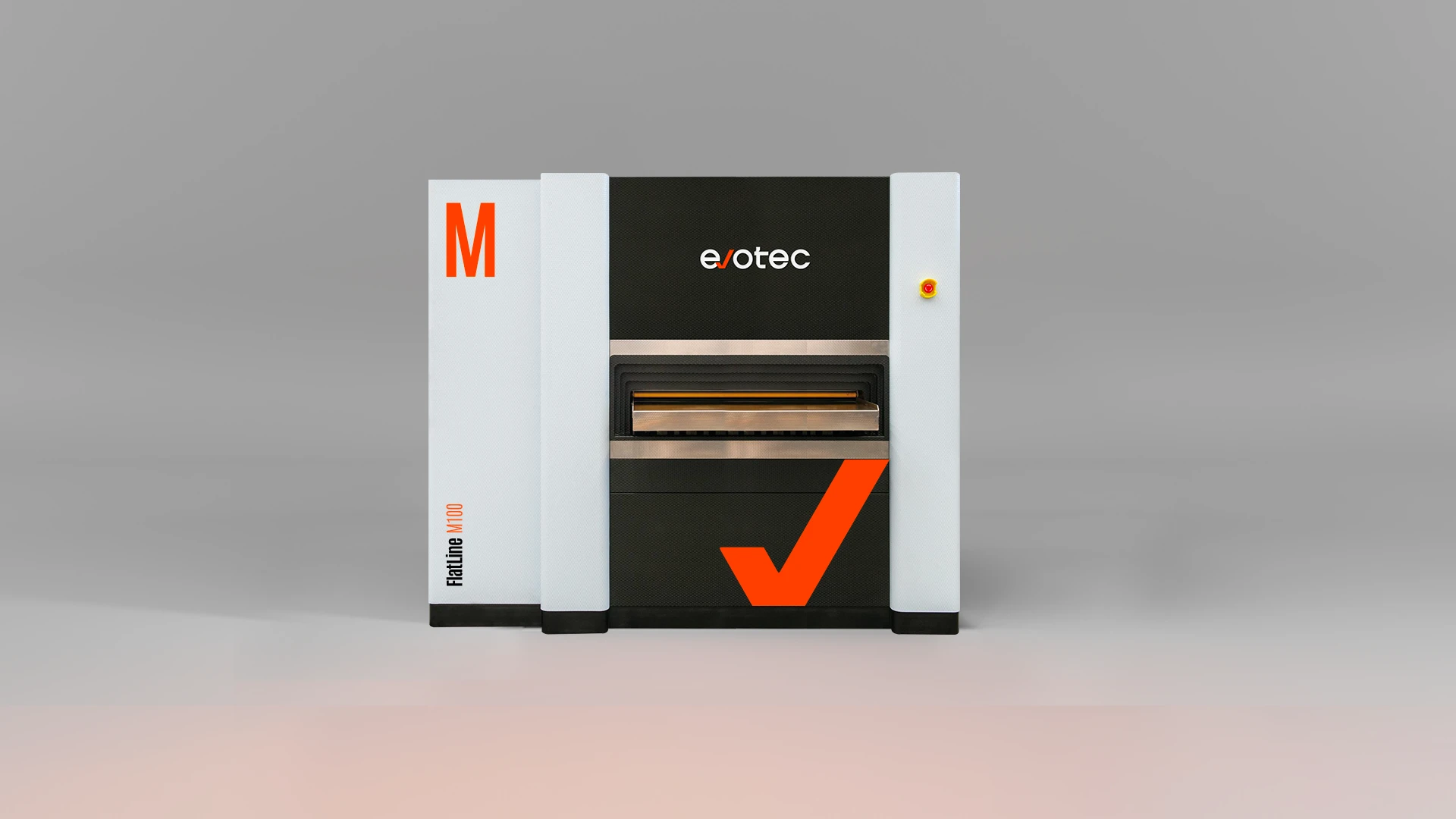
For Middle Thickness (1.5 mm - 30 mm) Sheet Metal and Plate Leveling
Developed for medium-thickness sheet metal and plate leveling, this category balances precision control with sufficient leveling force. The machines handle materials from 1.5 mm to 30 mm in thickness and support both coil-fed material and flat parts across common fabrication applications.
For Thick and Heavy (up to 80mm) Metal Plate Leveling
Designed for heavy-duty thick plate leveling, this category delivers high leveling force and structural rigidity. The machines handle materials up to 80 mm thick and are optimized for stress release and flatness correction in thermally cut parts, supporting both coil-fed material and flat parts.
FAQs
Using a multi-roller leveler as an example, the material passes between upper and lower rows of leveling rollers. Controlled pressure is applied by the rollers, causing repeated reverse bending of the material. This process gradually eliminates residual internal stress and original curvature, resulting in improved flatness.
Flatness is a geometric tolerance that describes the degree to which a surface deviates from an ideal plane. It represents the maximum distance between the actual surface and a reference plane and is used to evaluate surface uniformity in three-dimensional space.
Straightness is a geometric tolerance that measures the maximum deviation of a surface or axis from an ideal straight line in a specified direction. It is used to describe the linear accuracy of a feature along a given axis.
Inspection Surface Plate
Purpose: Evaluates flatness by comparing contact between the measured surface and the reference plate
Material: Typically cast iron or granite
Straightedge
Purpose: Checks surface flatness using light-gap inspection or feeler gauges
Types: Knife-edge straightedge, rectangular straightedge
Feeler Gauge
Purpose: Measures gaps between the surface and a straightedge or surface plate
Features: Simple and effective for localized measurements
Coordinate Measuring Machine (CMM)
Purpose: Measures multiple surface points with a probe to calculate flatness
Features: High accuracy, suitable for complex surfaces
Laser Flatness Measurement System
Purpose: Scans surfaces using laser technology to evaluate flatness
Features: High precision, suitable for large-area measurement
Accuracy Grade
Common grades: 000, 00, 0, and 1 (accuracy decreases from 000 to 1)
Selection guideline:
Use 000 or 00 grade for high-precision measurement requirements
Select lower grades for general inspection or production environments
• Regularly inspect leveling rollers for wear and replace severely worn rollers in a timely manner
• Keep the machine clean and remove oil, debris, and contaminants from the frame and roller surfaces
• Check lubrication points and replenish lubricant as required
• Monitor hydraulic system pressure and oil levels to ensure stable operation
Still have questions?
Contact Us
Questions about our products? Looking for a tailored solution? Get in touch—our team is ready to help.