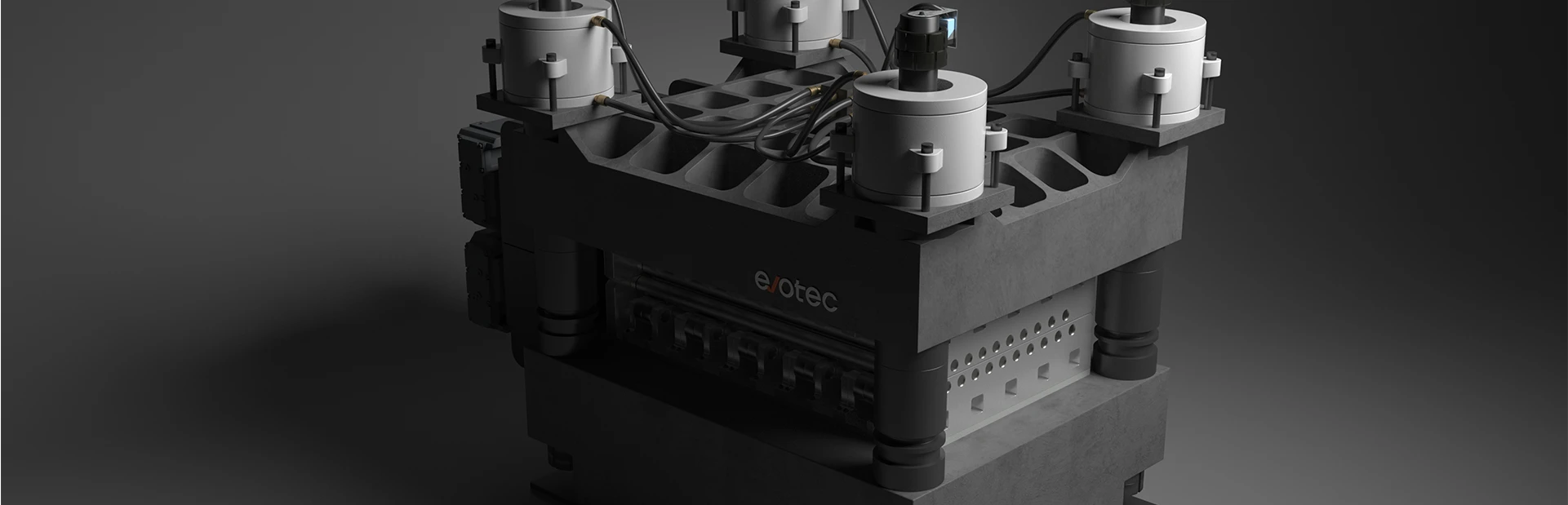
Precision Metal Leveling Machines for Every Application
From ultra-thin foil to 80mm heavy plate — flat, stress-free metal ready for your next operation.
Flat Metal. Better Results.
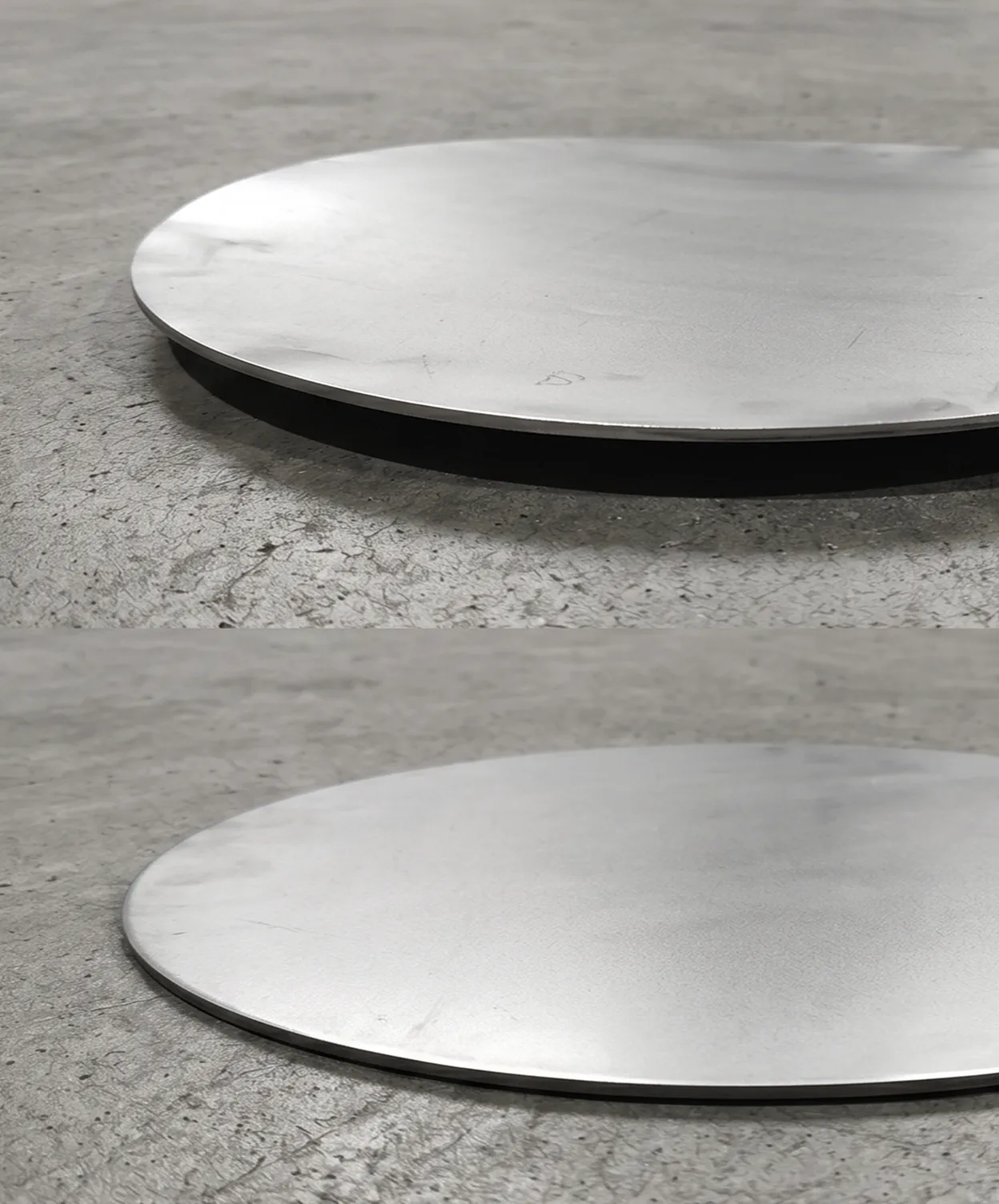
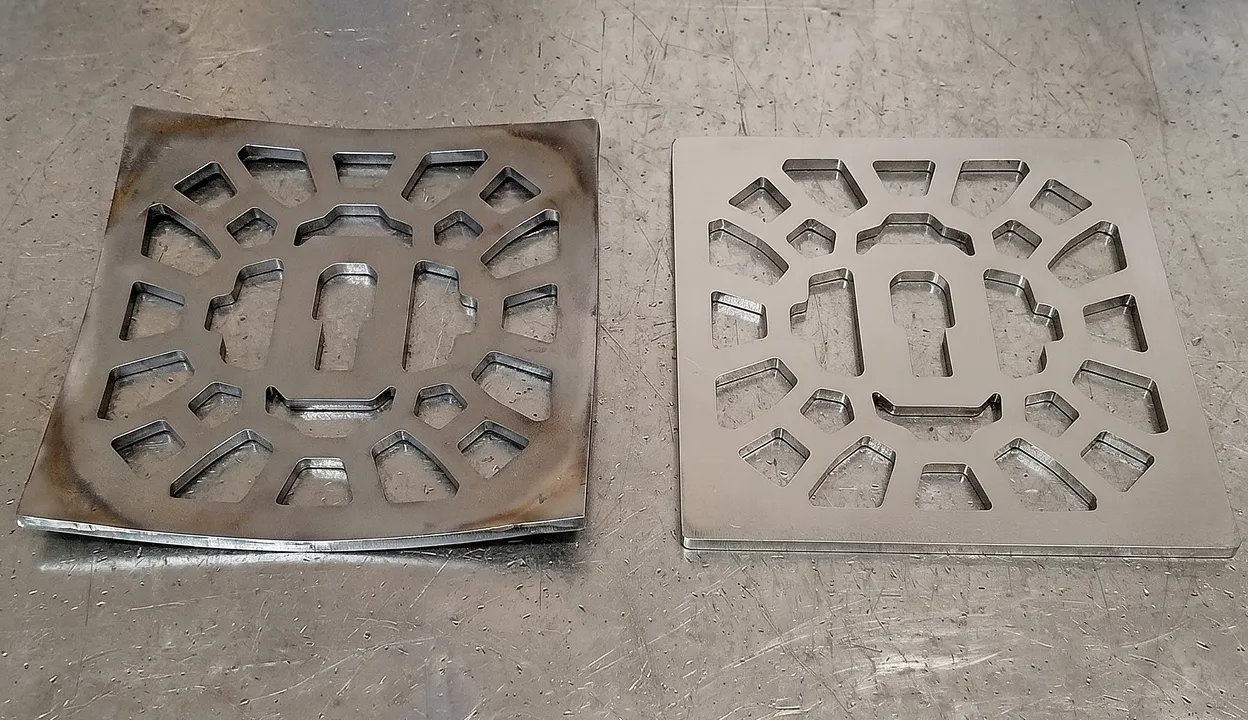
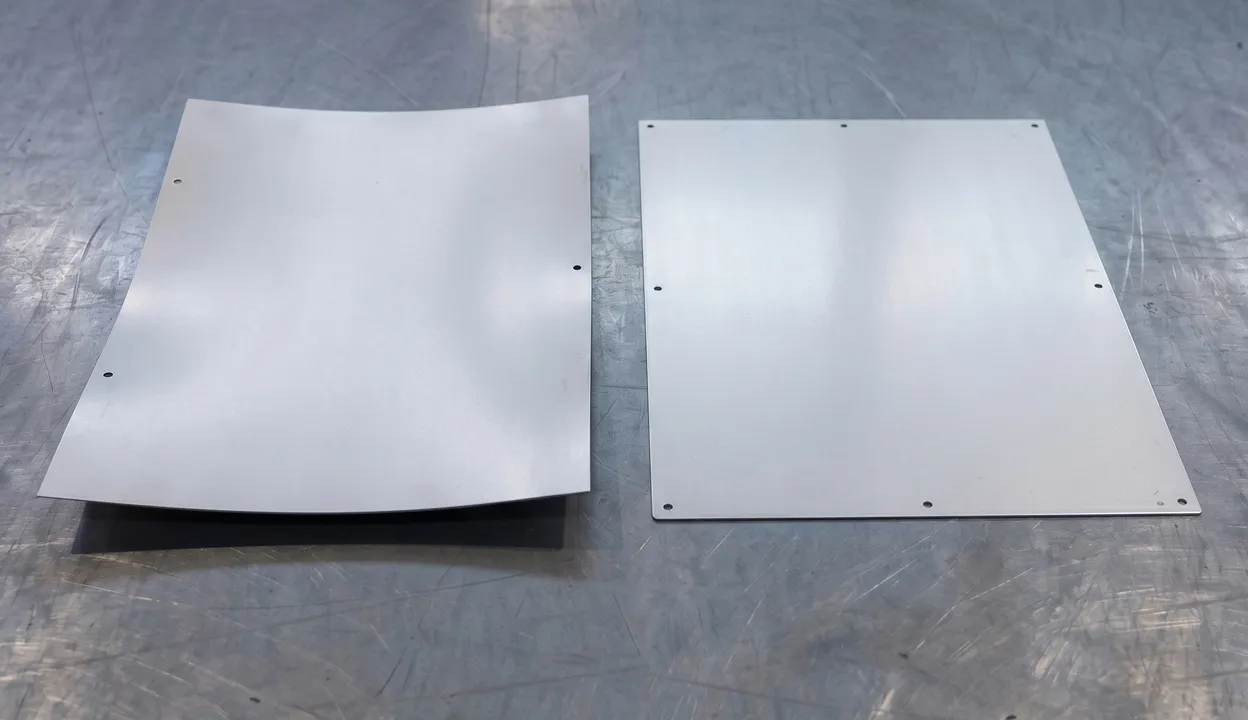
Laser cutting, plasma cutting, and punching all introduce internal stress and thermal distortion that cause warping, bowing, and spring-back. Parts that aren't flat create problems at every downstream stage — poor weld fit-up, inaccurate bending, coating defects, and costly rework. A precision roller leveler corrects these issues by passing material through a series of offset rollers that apply controlled, repeated bending — so every part arrives at the next operation ready to perform, first time.
Built for Real Production Demands
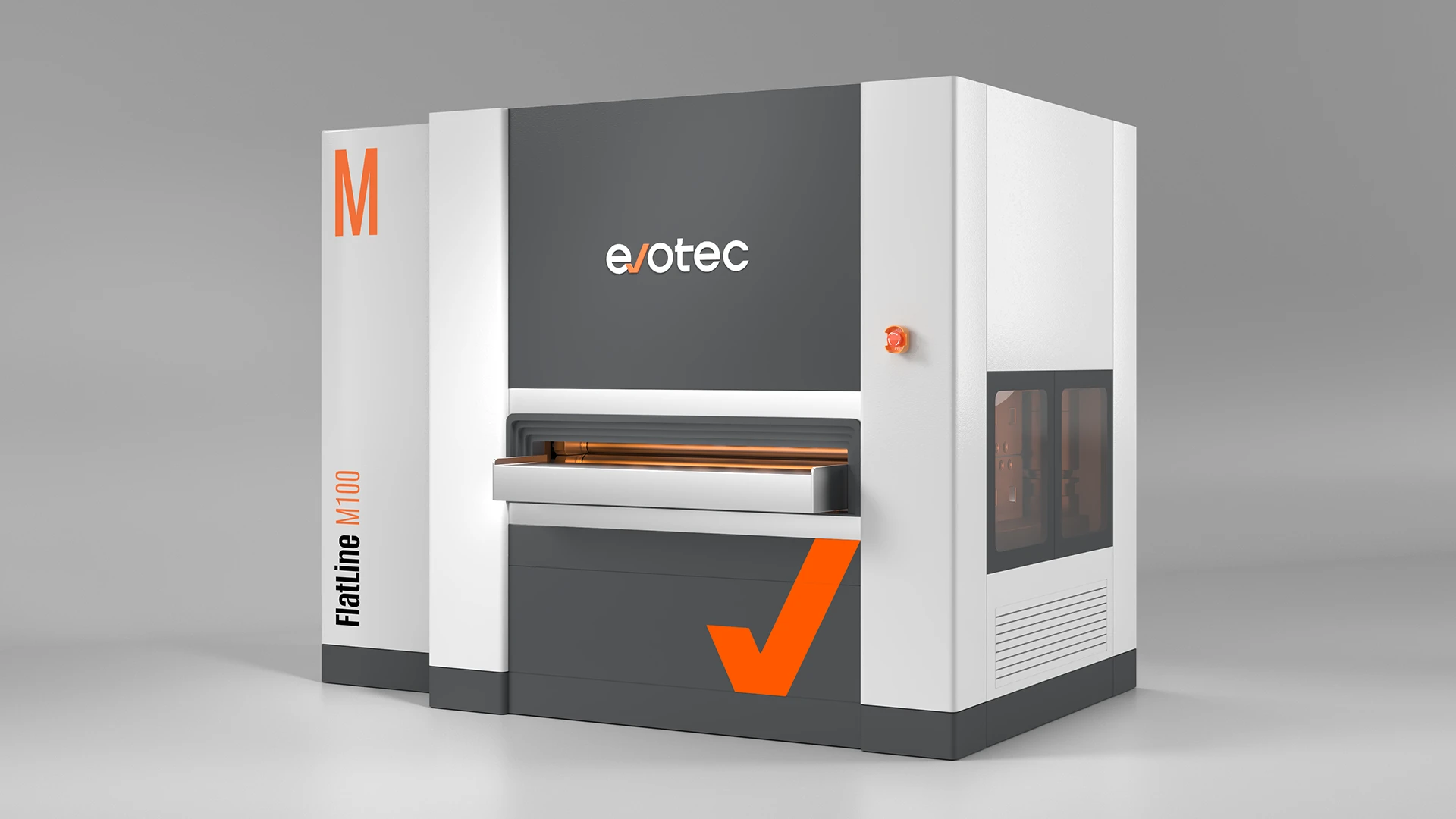
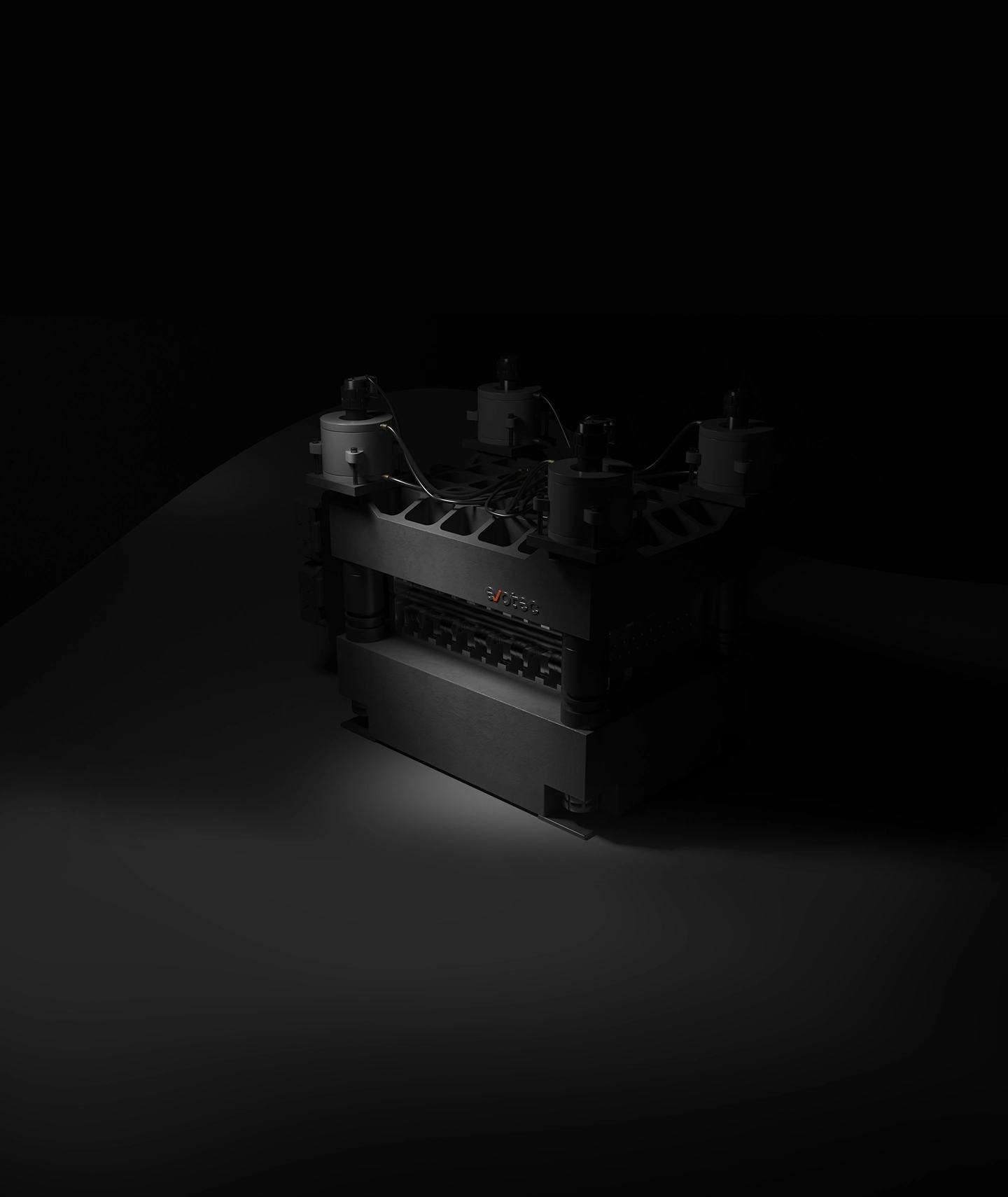
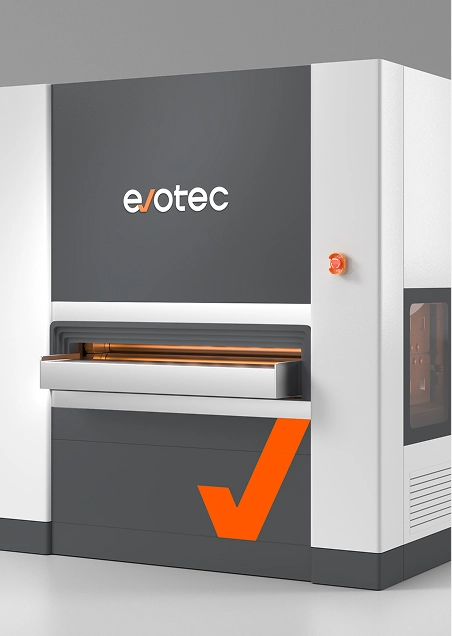
The Evotec FlatLine series of hydraulic precision roller levelers is engineered to correct flatness and release internal stress in metal sheet and plate — across the full range of cutting processes and material thicknesses found in modern fabrication environments. Whether you're running laser-cut thin sheet, mixed fabrication, or heavy plasma-cut plate, there is a FlatLine model purpose-built for your operation.
A Complete Range for Every Thickness
Three application-specific series cover the full spectrum — from 0.1mm foil to 80mm heavy plate.
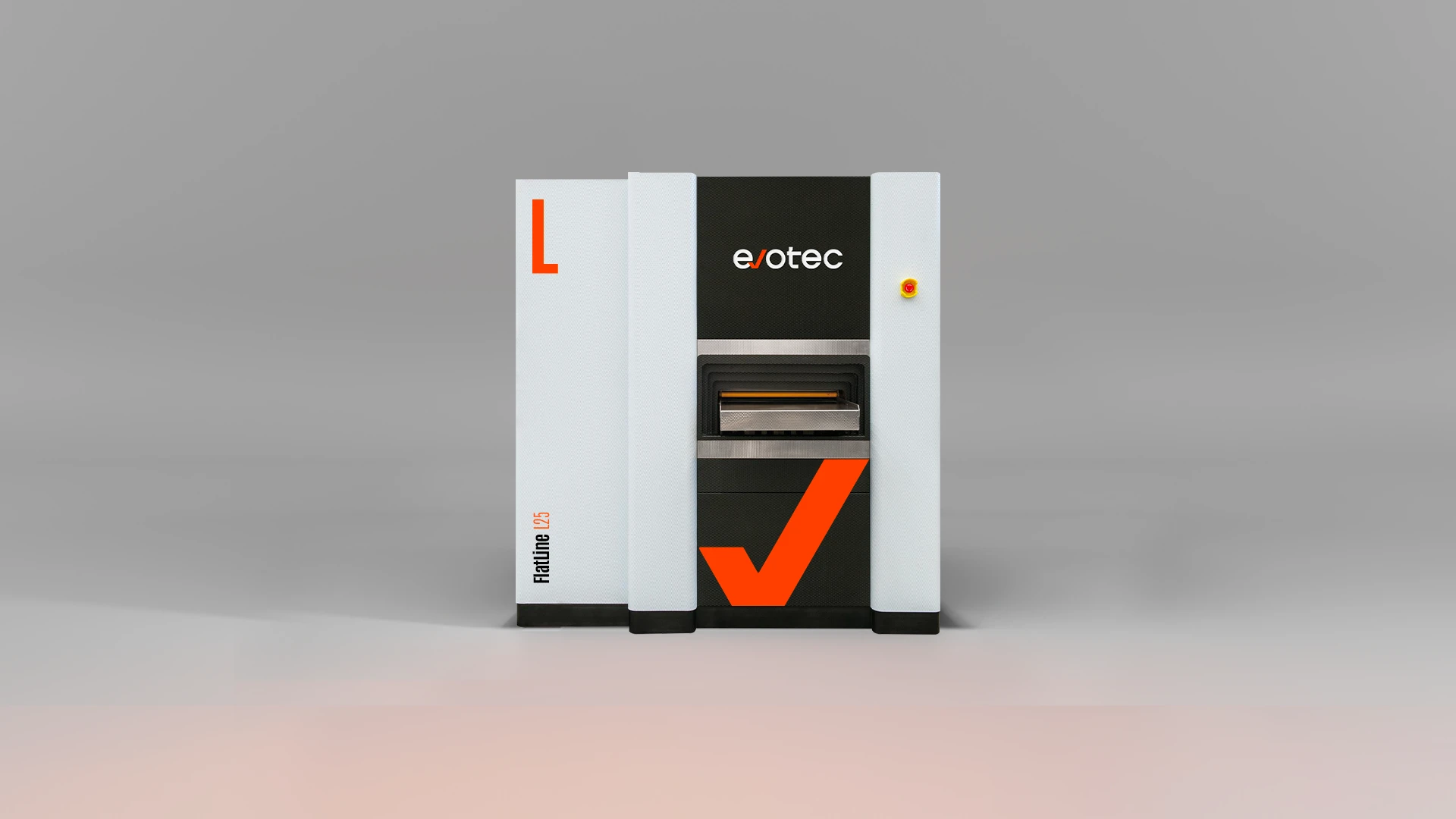
Thin Sheet Metal
Range: 0.1 – 10.0mm
Cutting: Laser, Punching, Stamping
Applications: Foil, flat parts, coil sheet
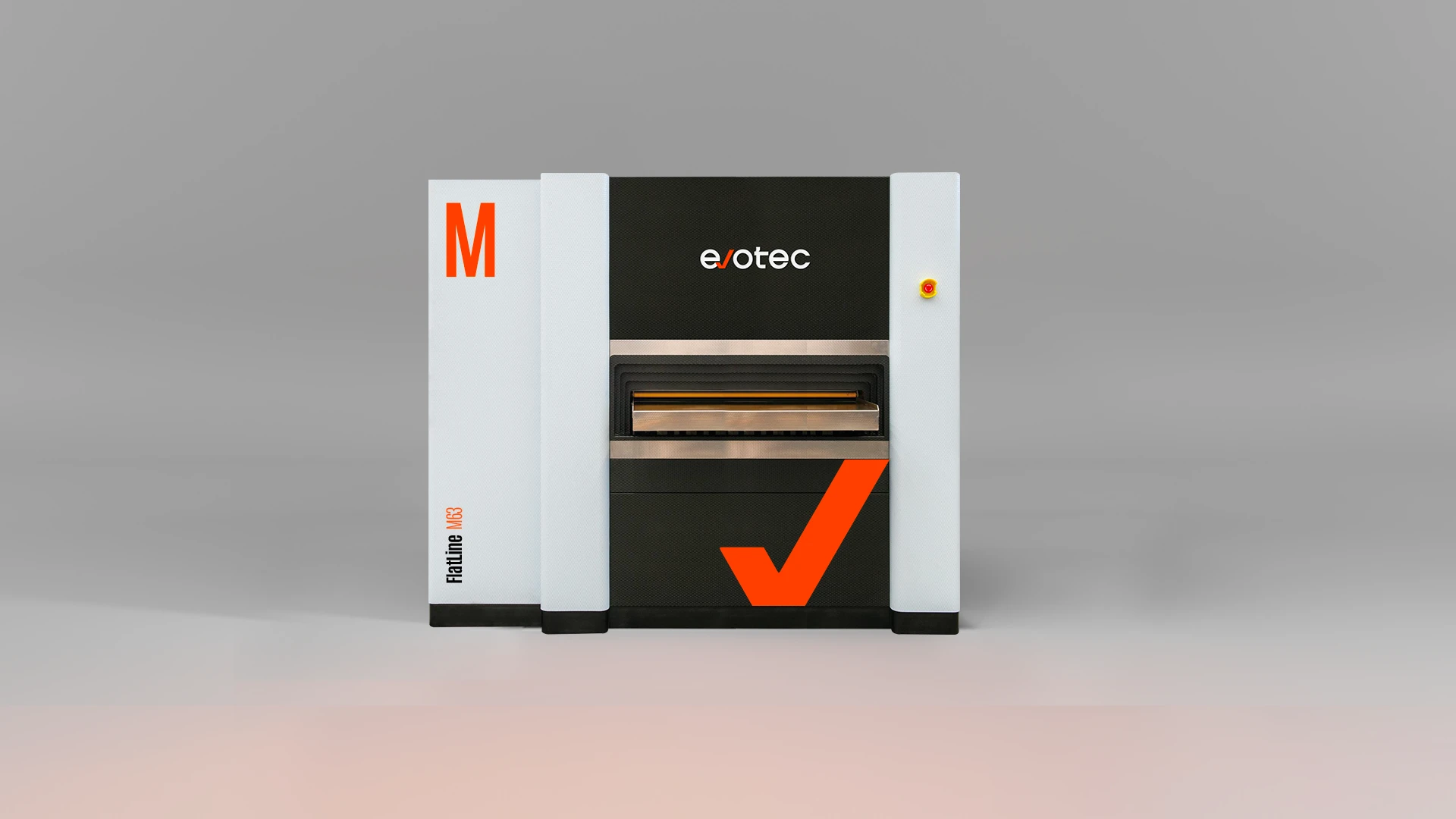
Medium Thickness Sheet & Plate
Range: 1.2 – 30.0mm
Cutting: Laser, Plasma, General Fab
Applications: Mixed runs, coil, flat parts
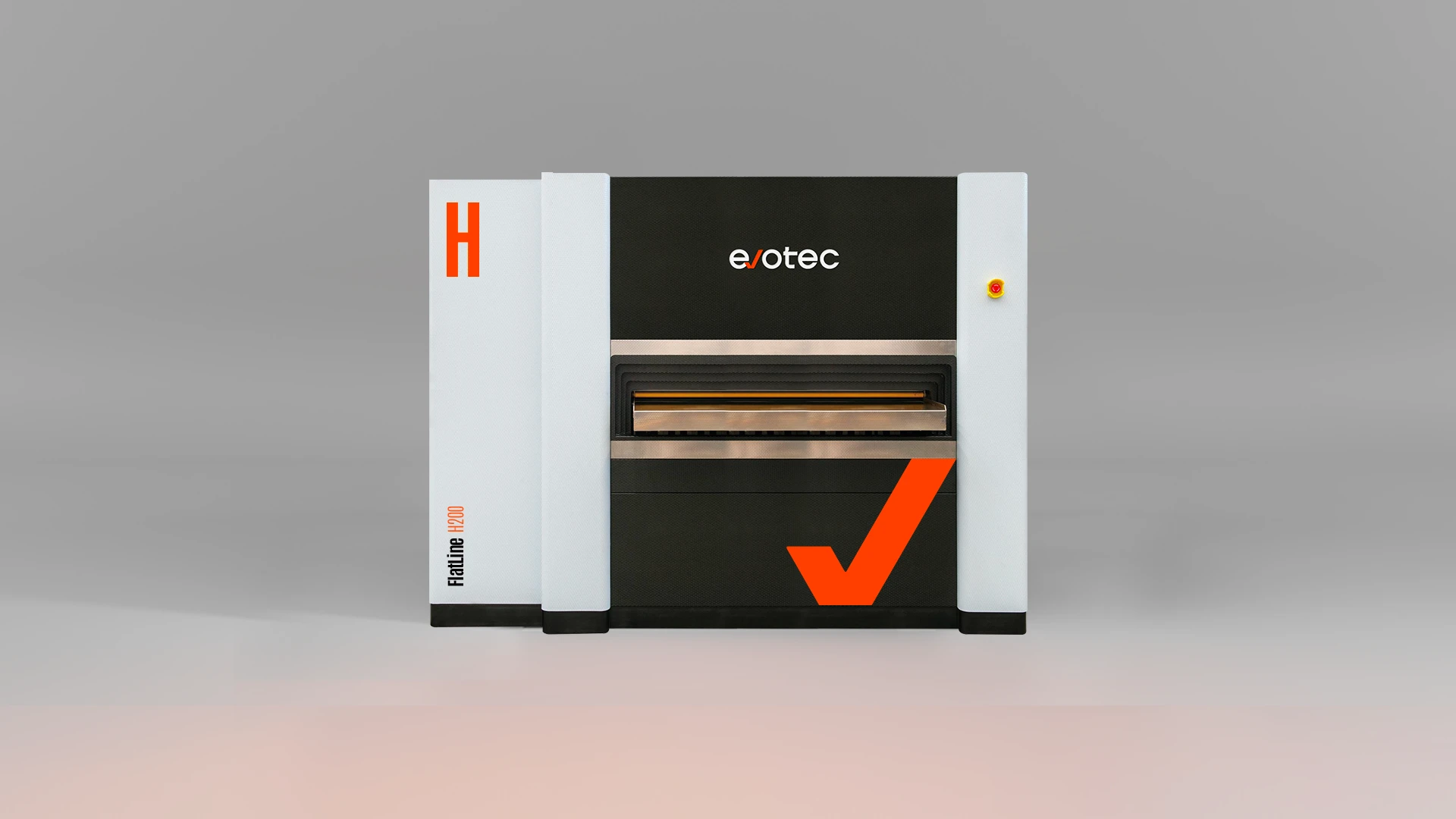
Heavy Plate
Range: 5.0 – 80.0mm
Cutting: Plasma, Flame, Oxyfuel
Applications: Structural, thick plate fab
Servo Hydraulic Control
Real-time adjustment of roller pressure supports high leveling accuracy across varying material types and thicknesses.
Real-Time Gap Control
Fast hydraulic response with independent valve control maintains stable leveling conditions throughout every pass.
Dual-Motor Independent Drive
Two motors independently drive upper and lower roller units, delivering higher driving force for demanding materials.
Multi-Roll Staggered Layout
Enhanced stress relief for high-strength materials, ensuring thorough flatness correction in a single pass.
Quick-Change Roller Design
Hydraulic quick-change roller cassette enables fast roller replacement with minimal downtime — keeping your production running.
Thickness Measurement & Flatness Detection
Outcome-focused, simple Integrated laser measurement systems can monitor material thickness and flatness in real time during processing. When enabled, the machine automatically adjusts for springback based on live data.
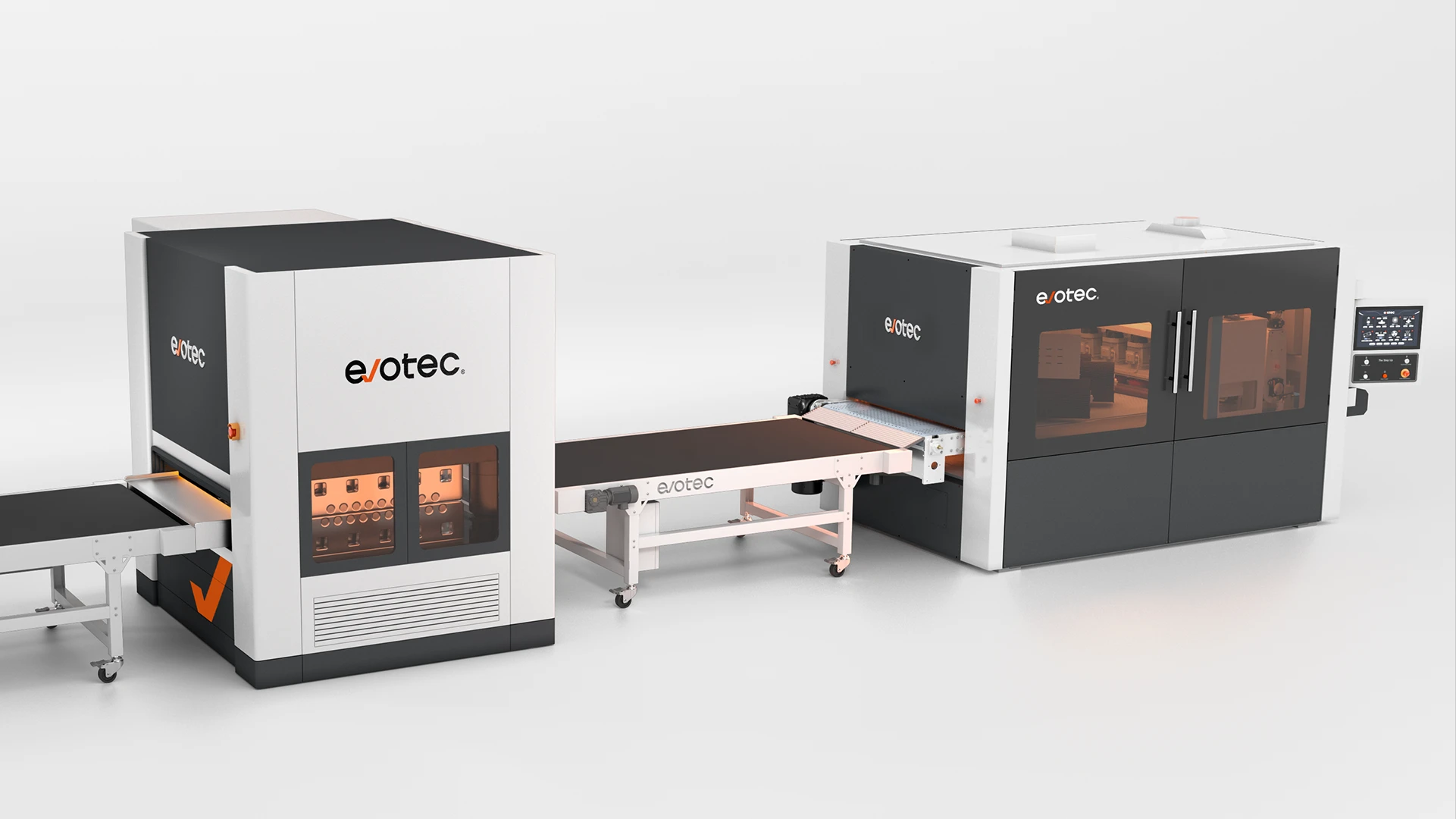
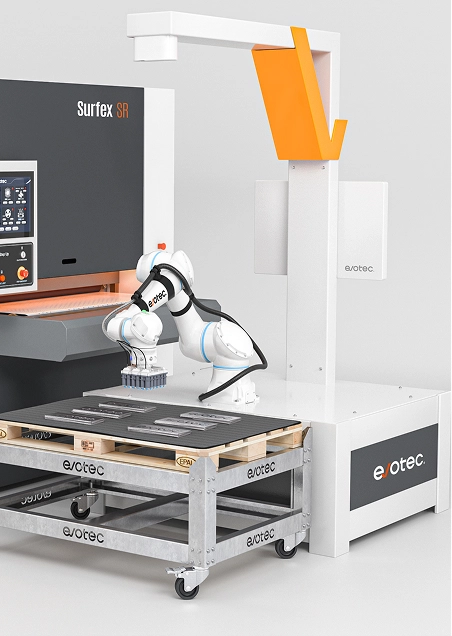
Auto Loading + Deburring + Leveling. One Continuous Line.
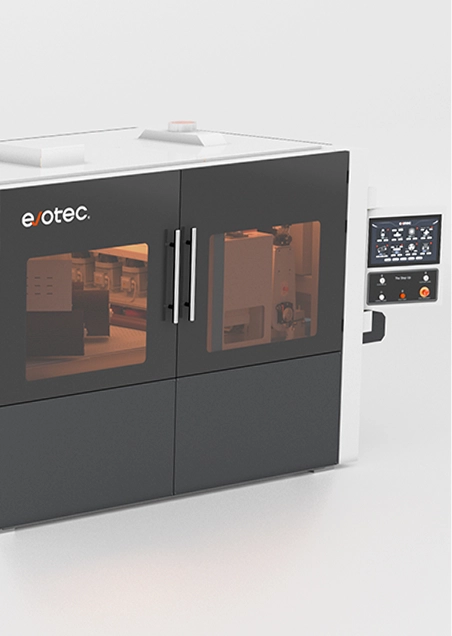
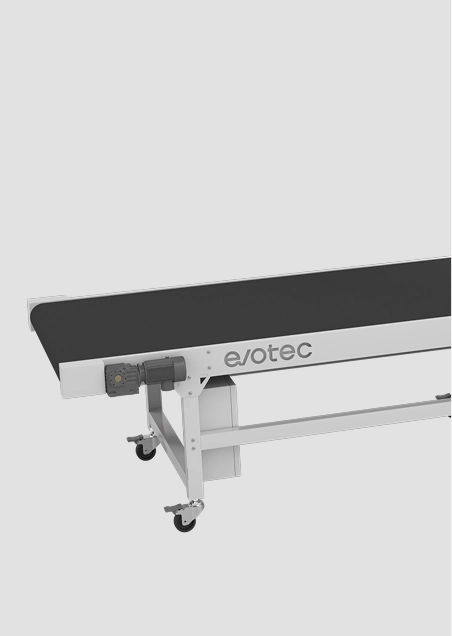
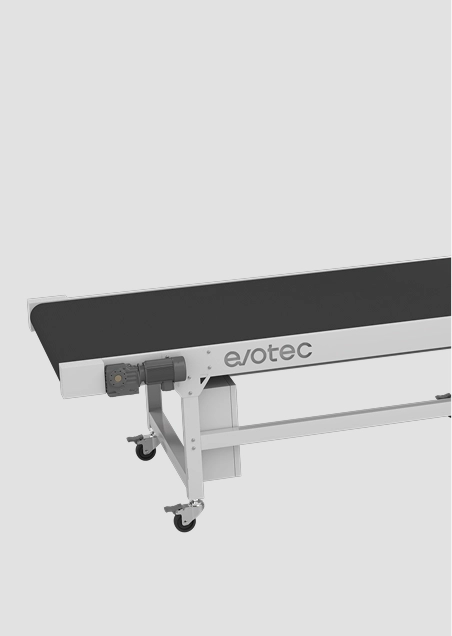
Combine deburring and precision leveling into a single automated processing line — eliminating manual handling between operations and delivering parts that are simultaneously deburred, edge-rounded, and perfectly flat.
Who are FlatLine Levelers for?
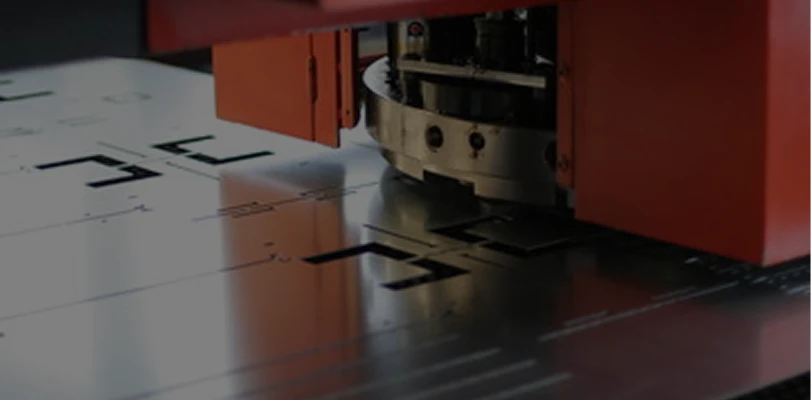
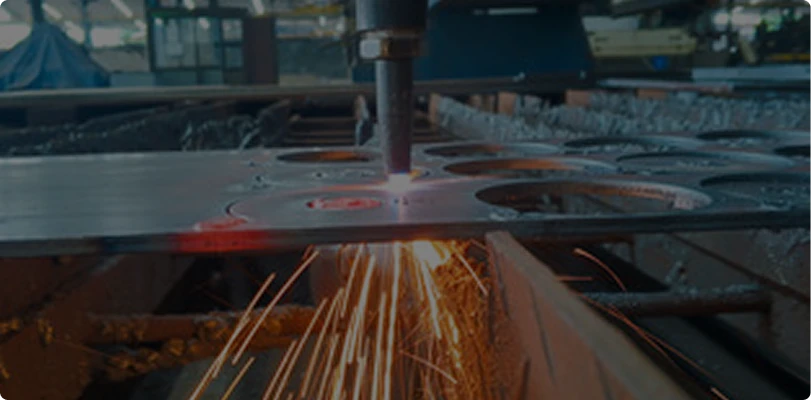
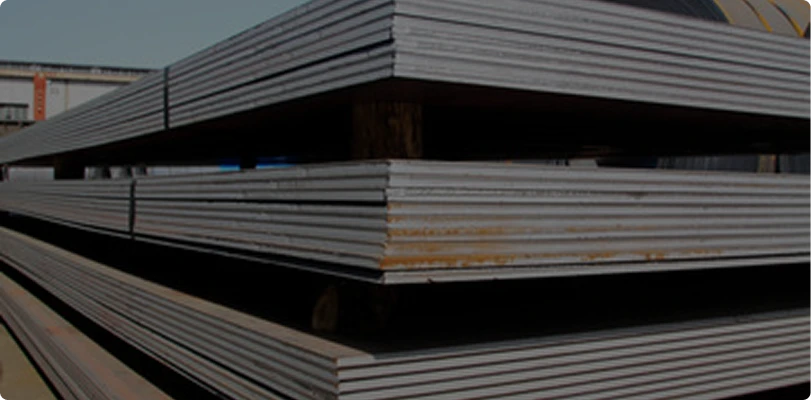
FlatLine levelers are used across a wide range of metal fabrication environments.
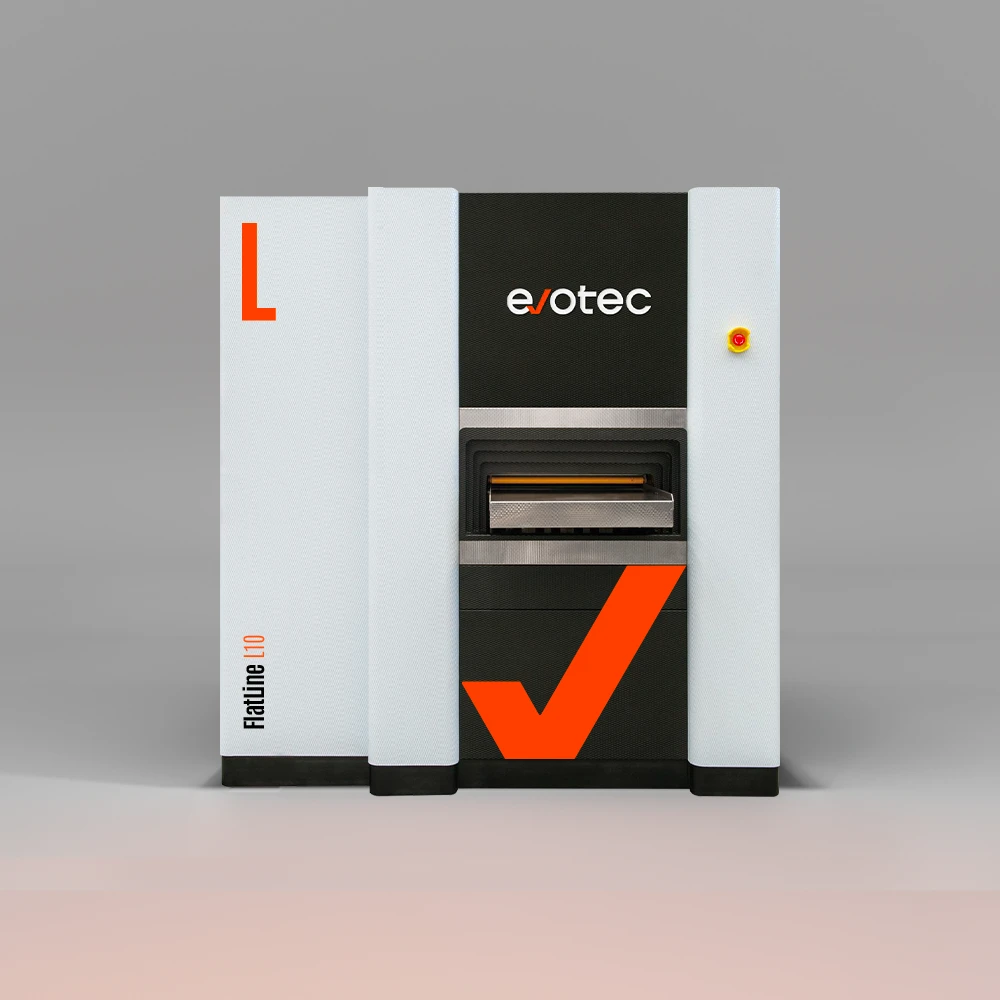
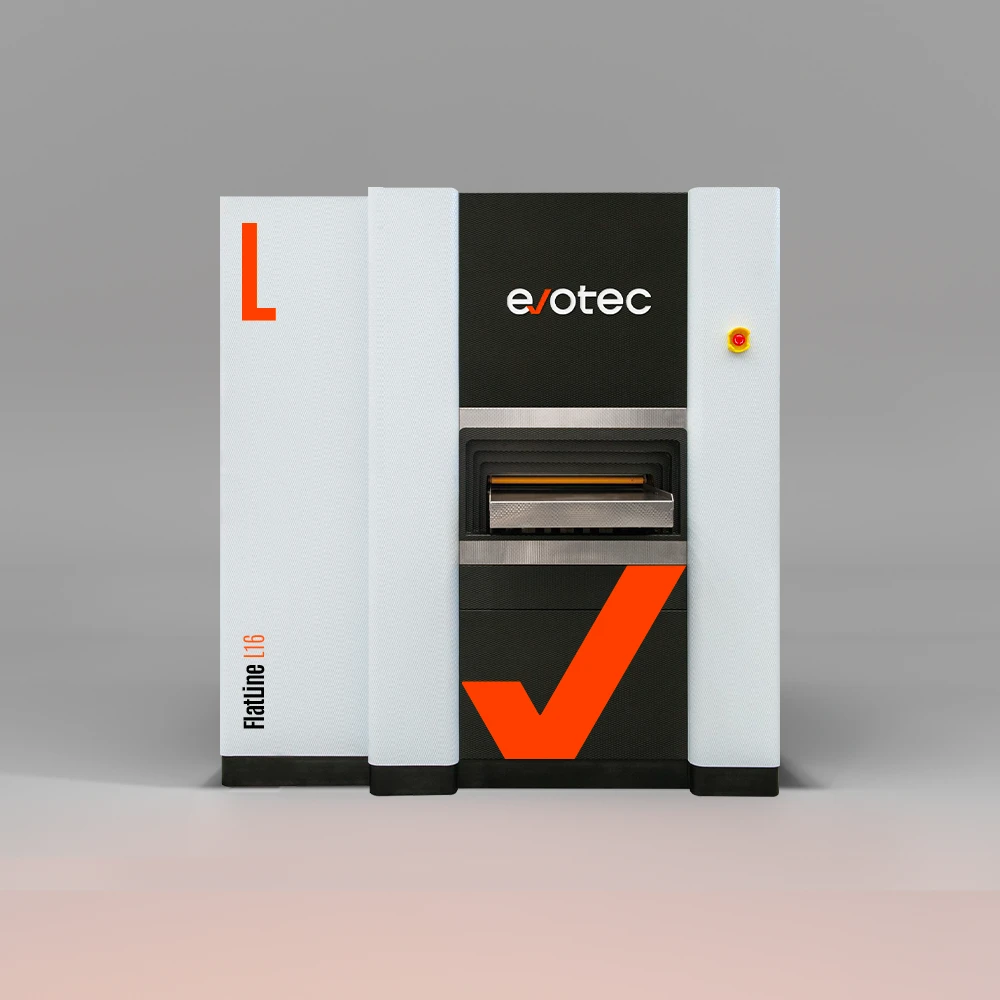
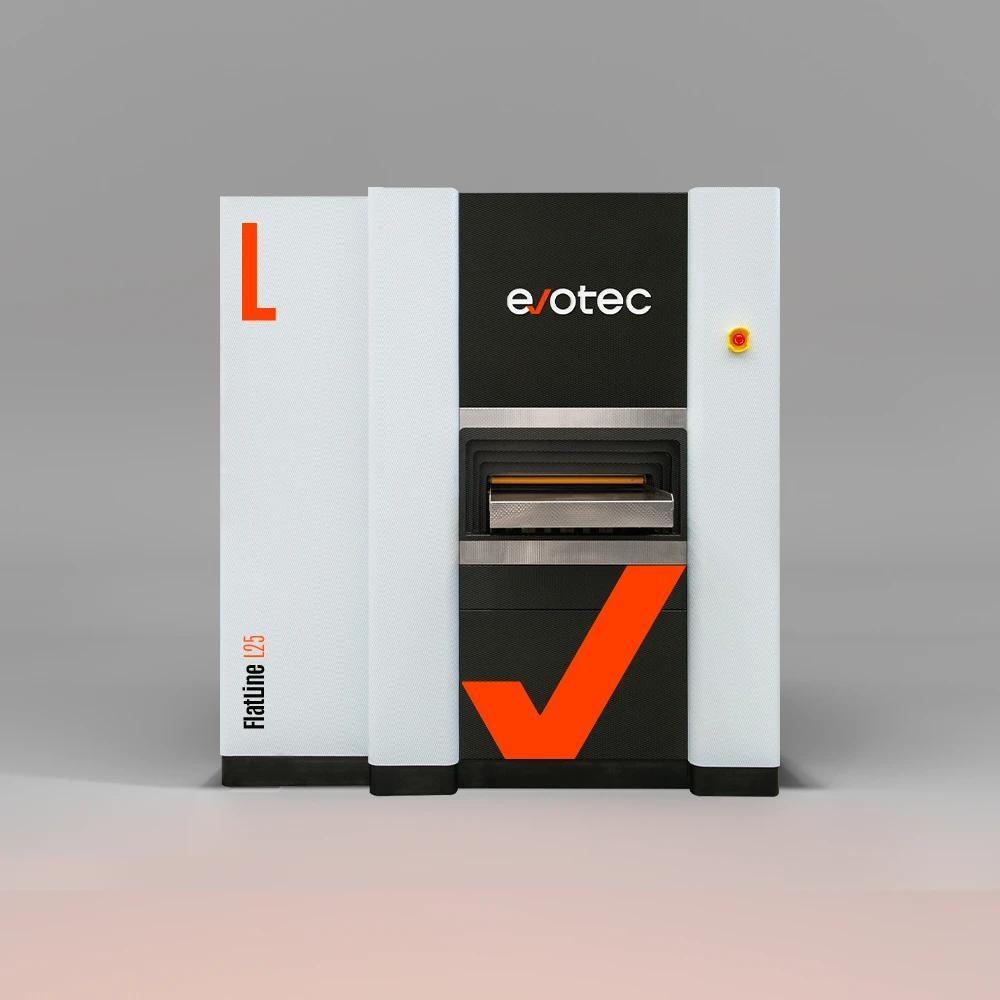
Most Selected Configurations Across Our Customers' Projects
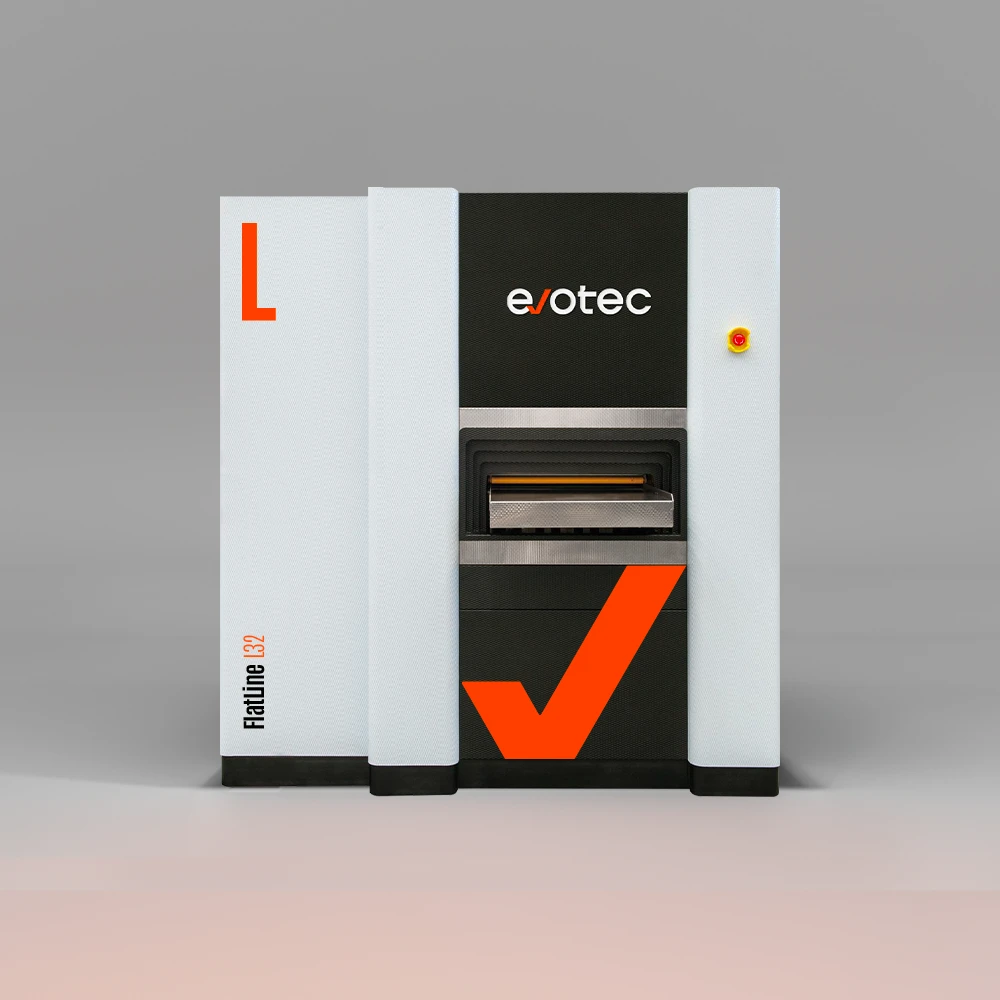
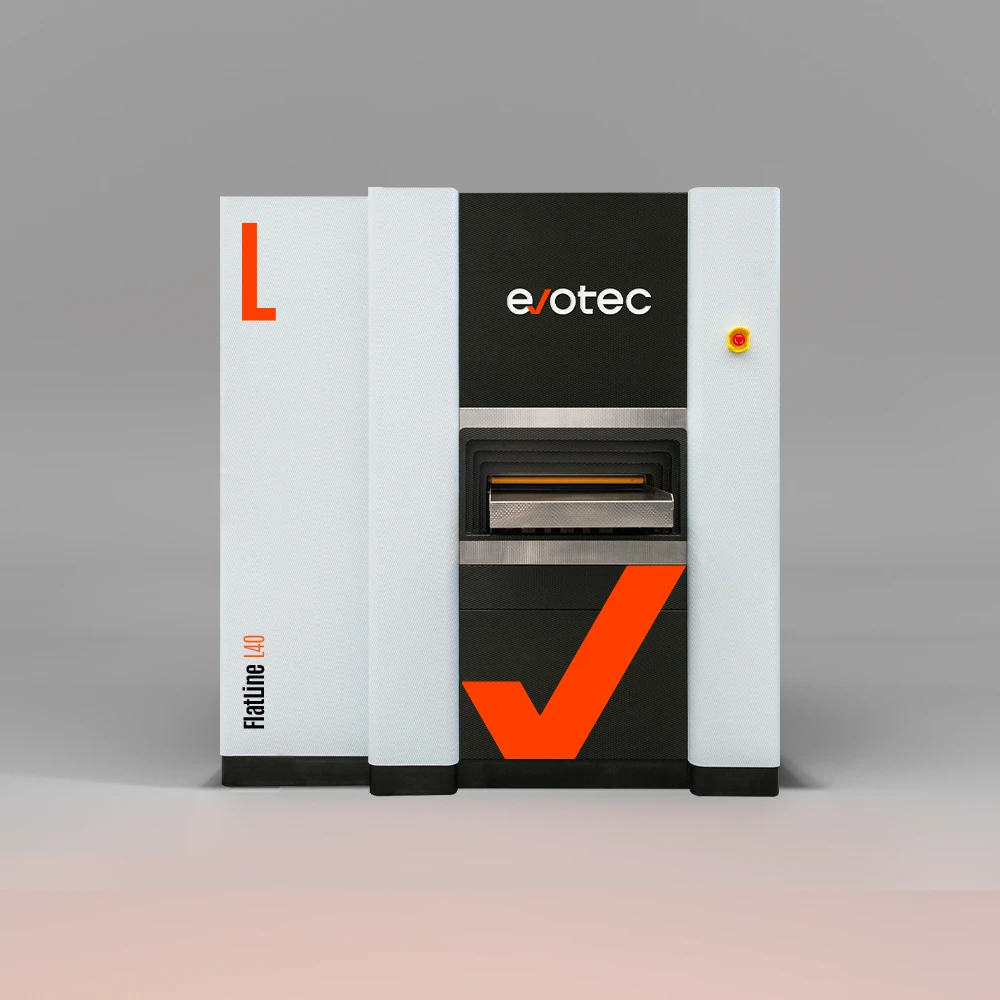
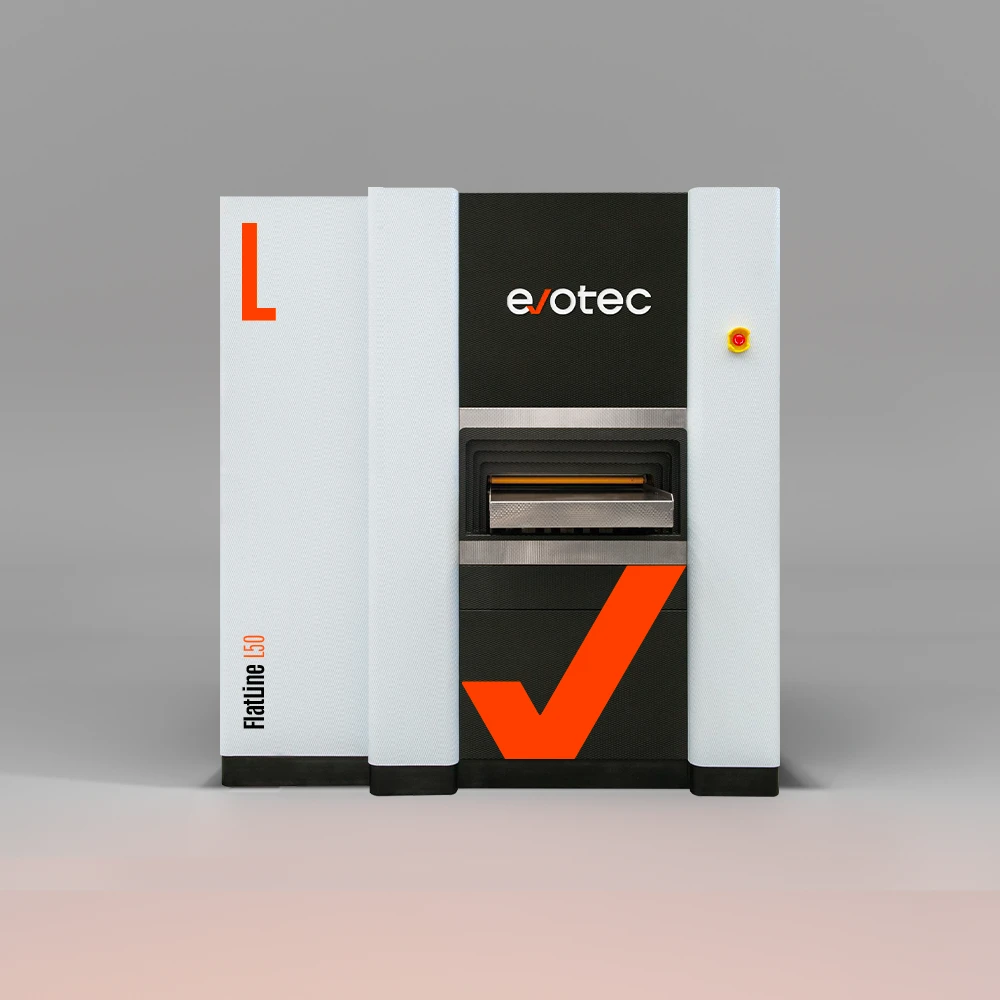
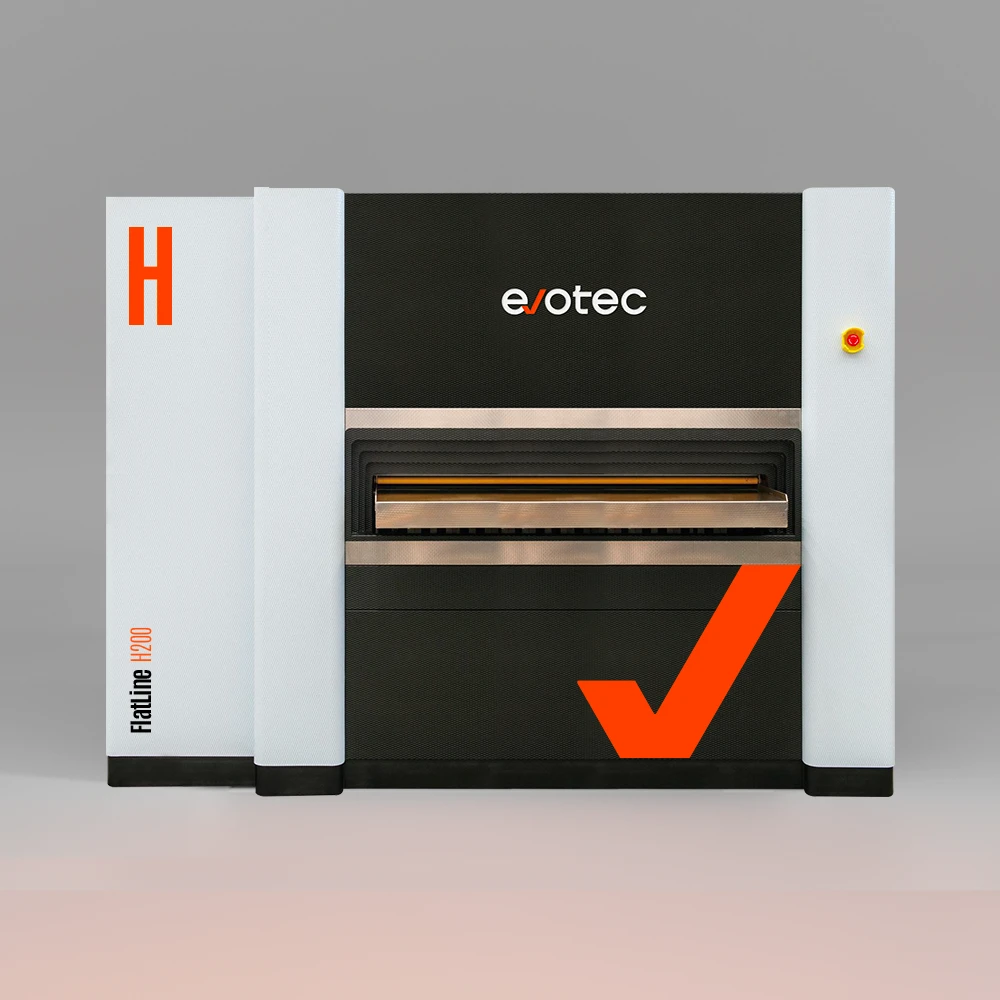
These configurations are frequently selected by customers based on typical precision leveling requirements. Each model combines specific processing modules to match common applications.
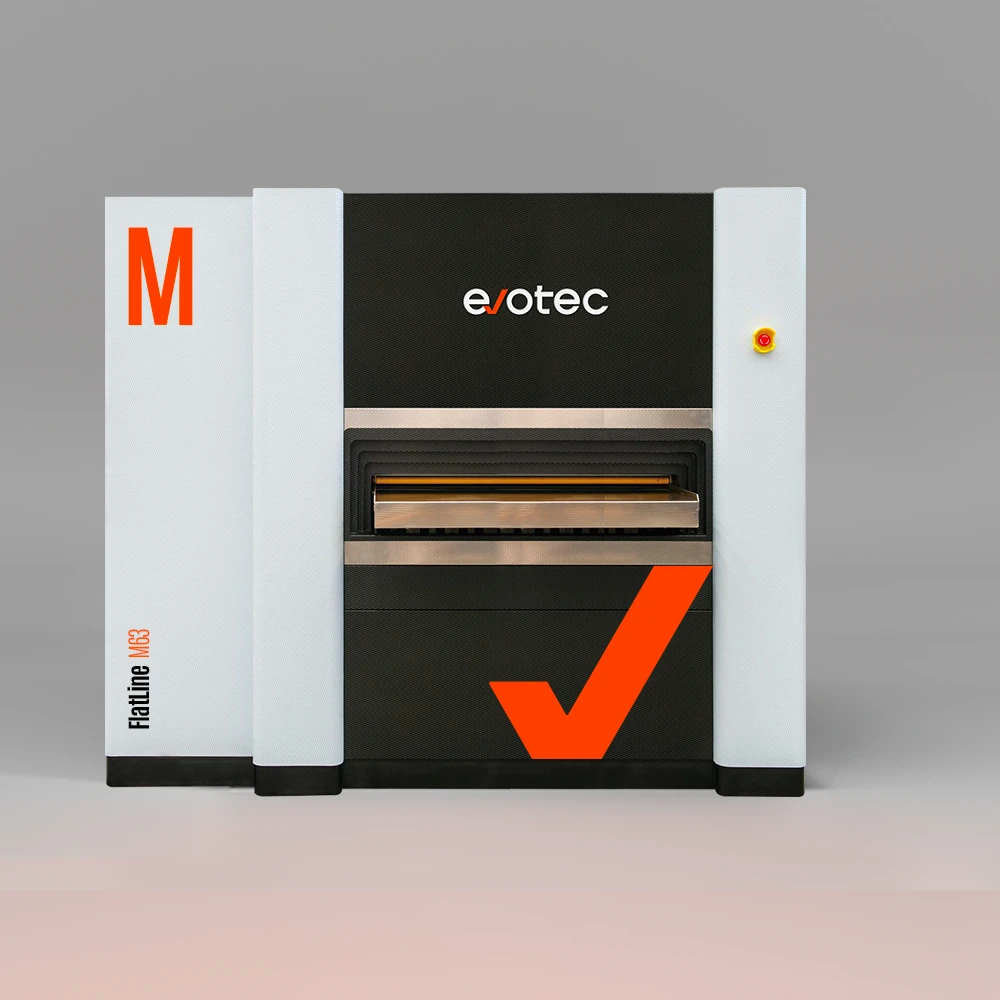

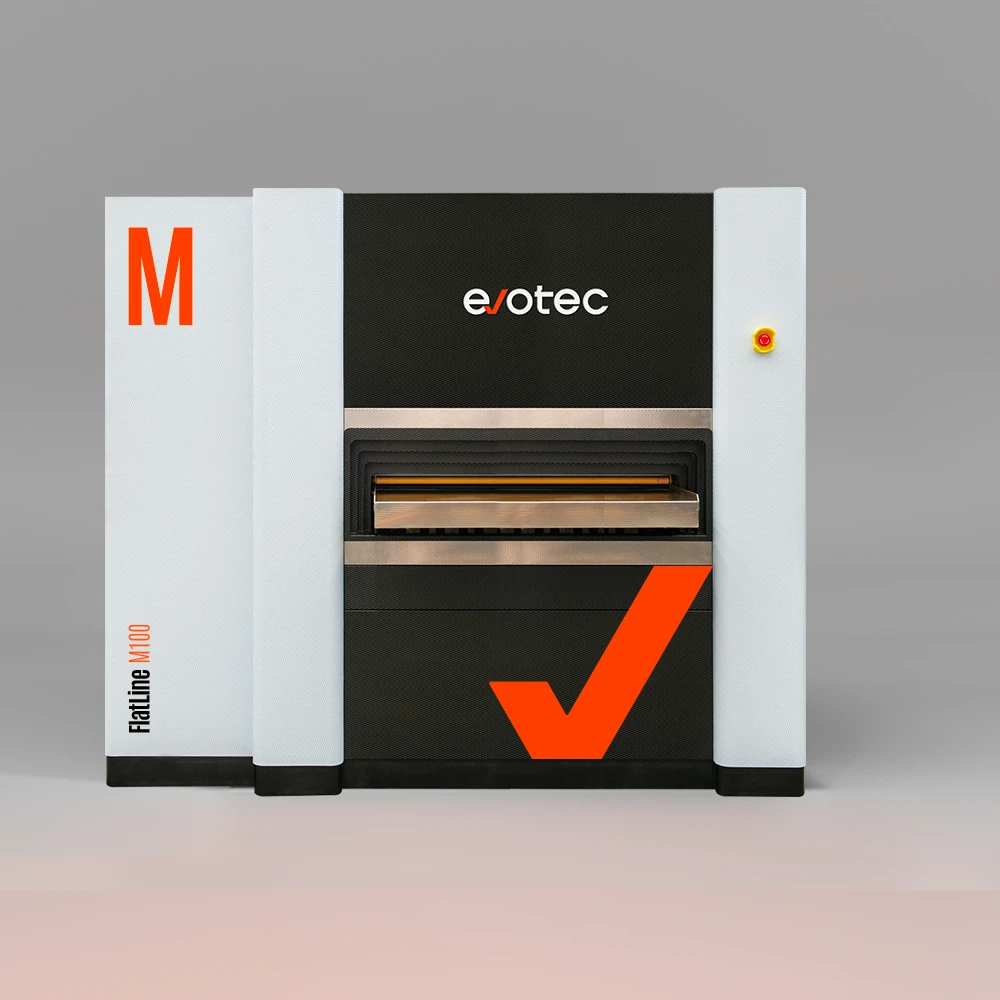
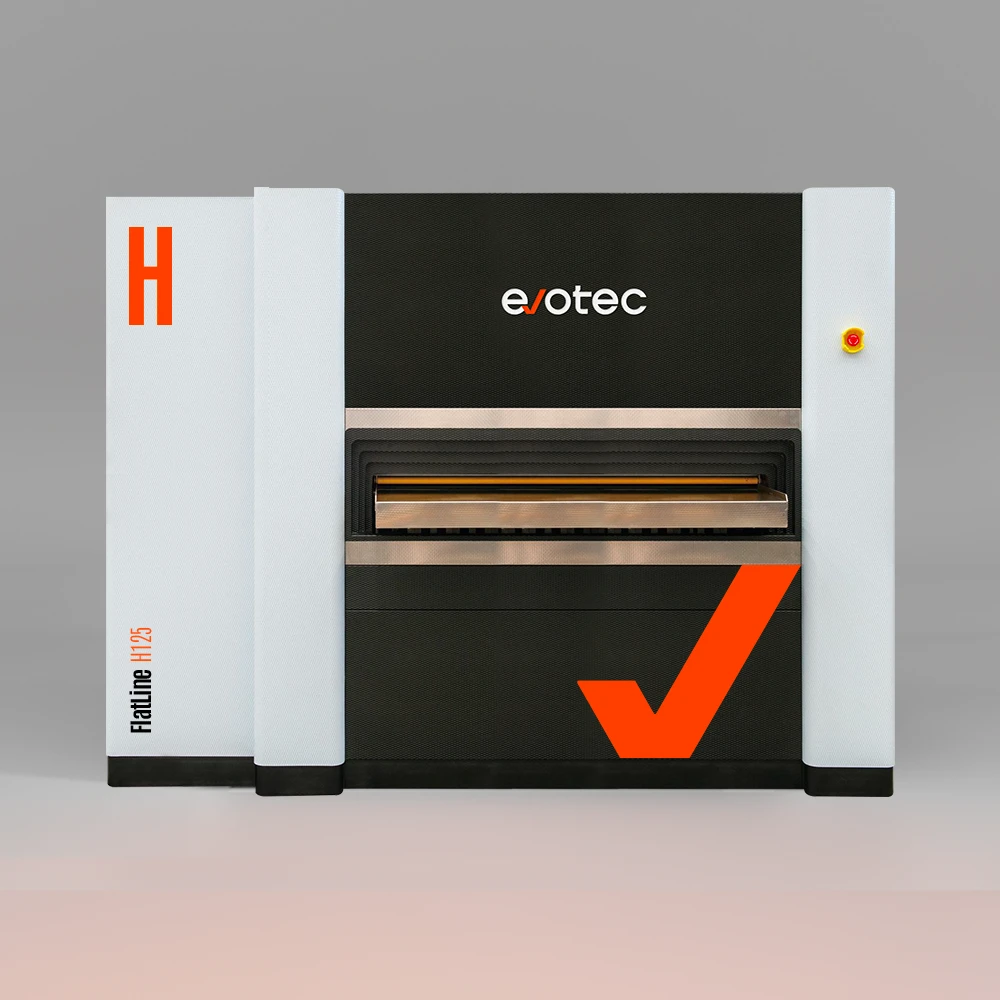
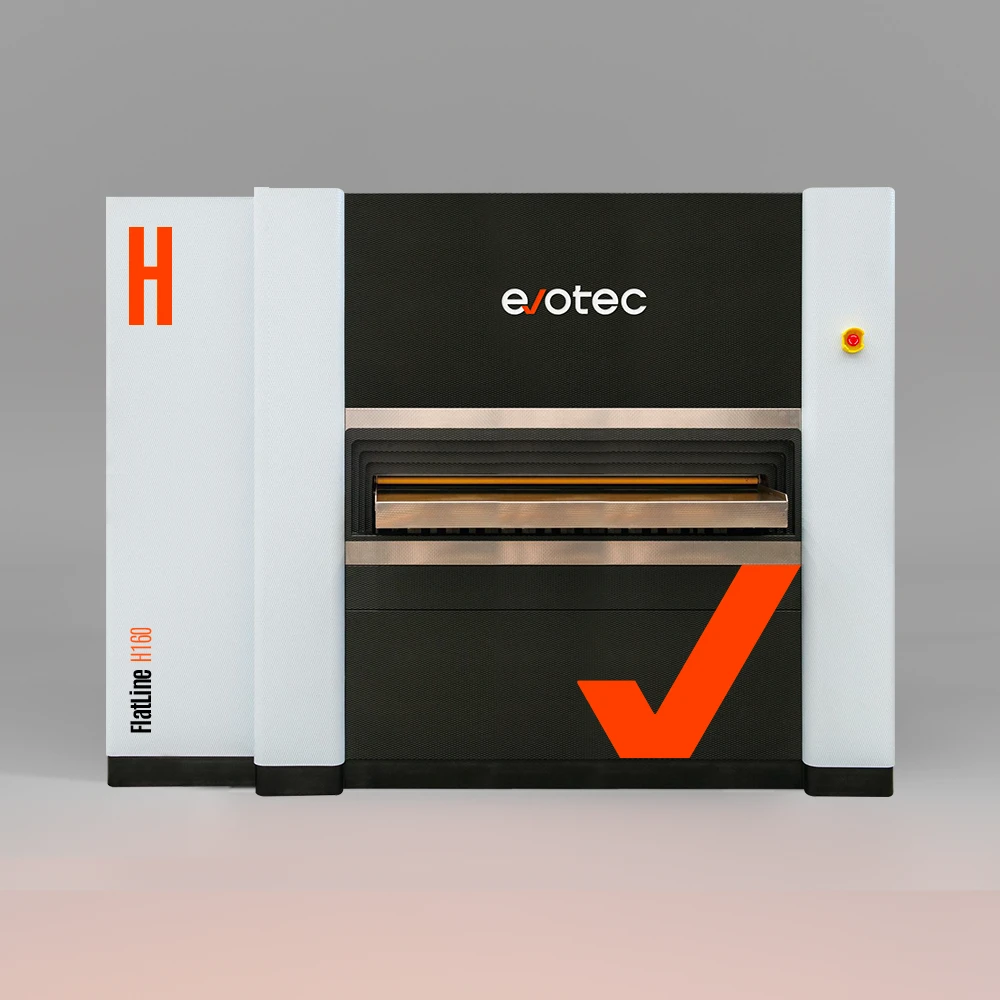
Get a configuration recommendation
Selecting the right product is challenging, but we are here to help you. With more than a decade in the deburring and edge rounding automation industry, we’ve seen it all.
FAQs
Material passes between upper and lower rows of leveling rollers. Controlled pressure causes repeated reverse bending, gradually eliminating residual internal stress and original curvature — resulting in flat, stable parts ready for downstream processing.
The three key parameters are material thickness, working width, and cutting process. The L series suits thin sheet from laser, punching, and stamping. The M series handles medium-thickness mixed fabrication. The H series is designed for heavy plasma and flame-cut plate. Contact us and our team will recommend the right model.
Flatness is a geometric measure of how much a surface deviates from a perfect plane. In metal fabrication, poor flatness directly affects every subsequent process: bending, welding, coating, and assembly all depend on parts arriving flat and stress-free.
Flatness describes how much a surface deviates from an ideal plane across its full area. Straightness measures the deviation of a line or axis from a perfectly straight path in a given direction. Both are improved by precision leveling.
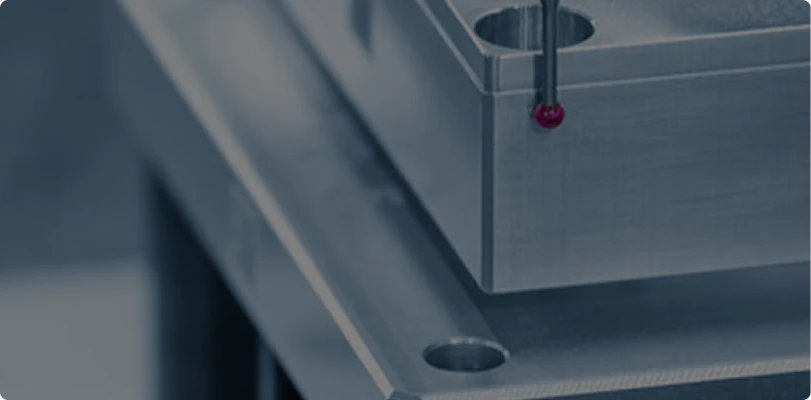
Common tools include granite surface plates, straightedges with feeler gauges, coordinate measuring machines (CMM), and laser flatness measurement systems. The right tool depends on required accuracy and part size.
Key tasks include regular inspection and replacement of worn leveling rollers, keeping the machine clean of oil and debris, replenishing lubrication points as required, and monitoring hydraulic system pressure and fluid levels. The centralized lubrication system and quick-change roller design are both engineered to simplify these tasks.
FlatLine machines are suitable for carbon steel, stainless steel, aluminum, and other common sheet and plate metals. Contact us to confirm suitability for specific materials or high-strength grades.
Yes. Roller layout, working width, control systems, and automation integration can all be customized to match your specific production requirements. Contact us to discuss your exact needs.
Still have questions?
Run your parts through before you decide.
Share your material, thickness, and part geometry — our engineers will map the right machine and can run a test with your actual parts. See the results before you commit.