
Metal Deburring Machines for Sheet Metal Fabrication
Creates consistent edge and surface conditions for sheet metal parts before bending, coating, welding, and assembly.

How Does a Deburring Machine Work in a Metal Factory?
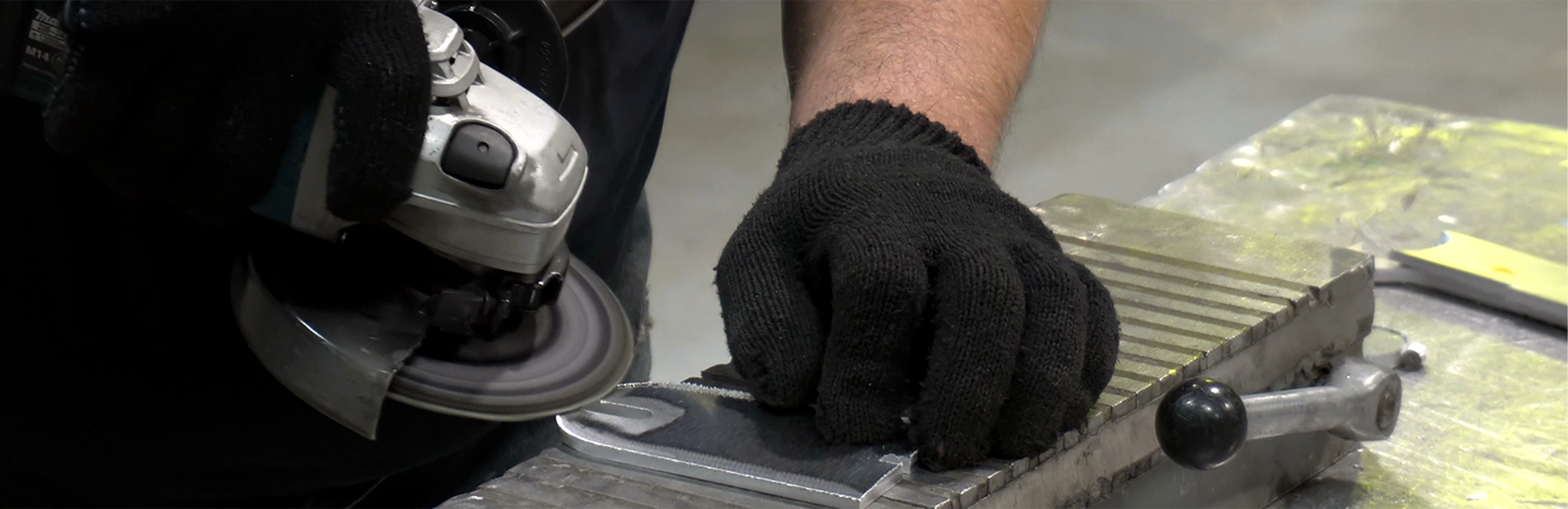
Every metal part that leaves a laser cutter, plasma cutter, or press carries the same problem: burrs, slag, oxide, and geometrically sharp cut edges. They cause cosmetic issues, coating failures, weld porosity, poor fit-up in assembly, and account for a significant share of hand injuries for our coworkers in the factory.
An automated deburring machine addresses this in a single, repeatable step — turning cut parts into components ready for coating, welding, or assembly.


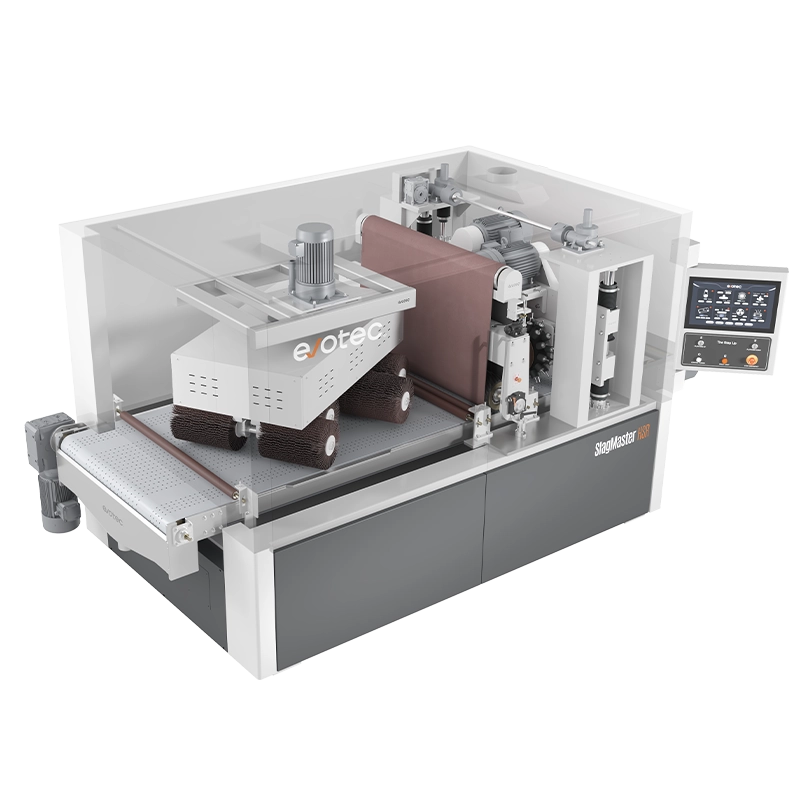

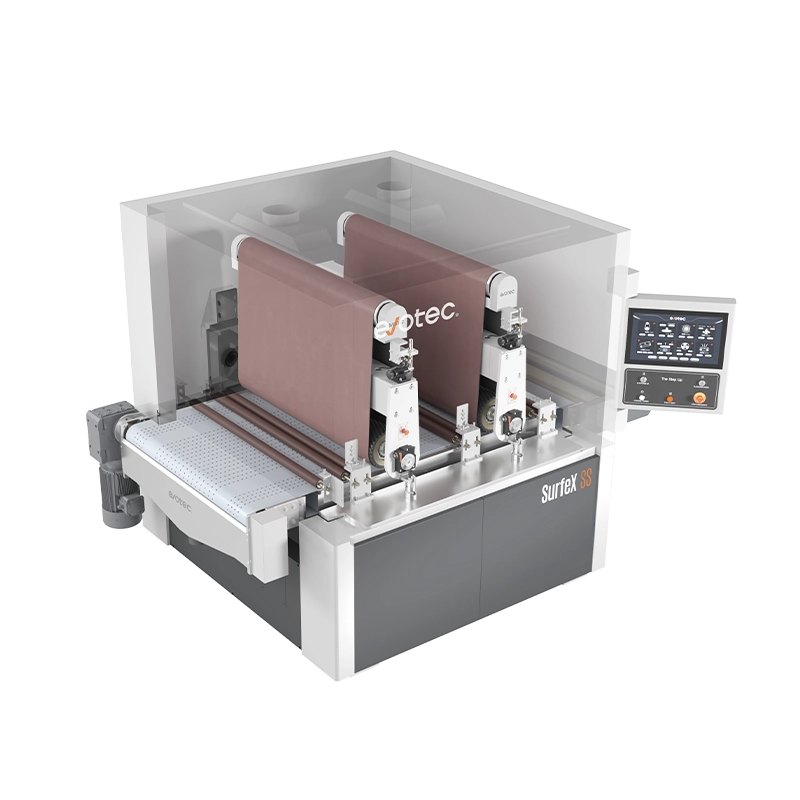

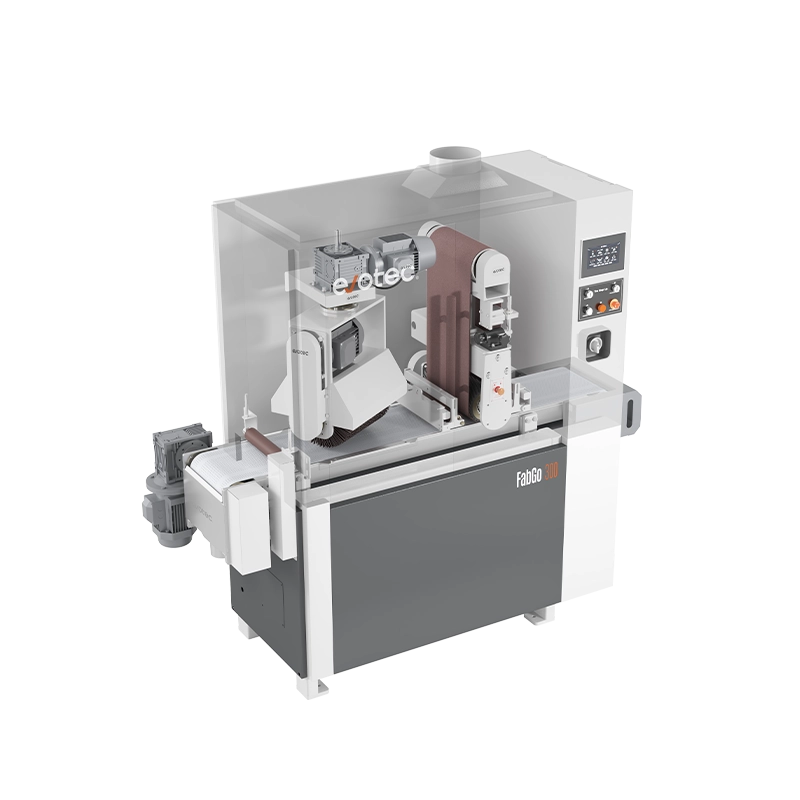
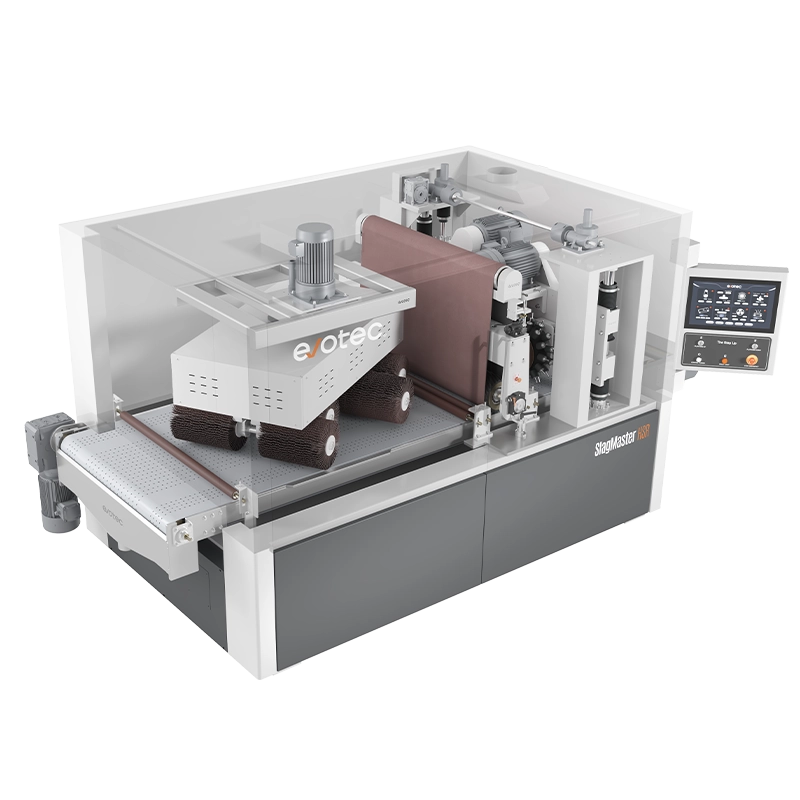
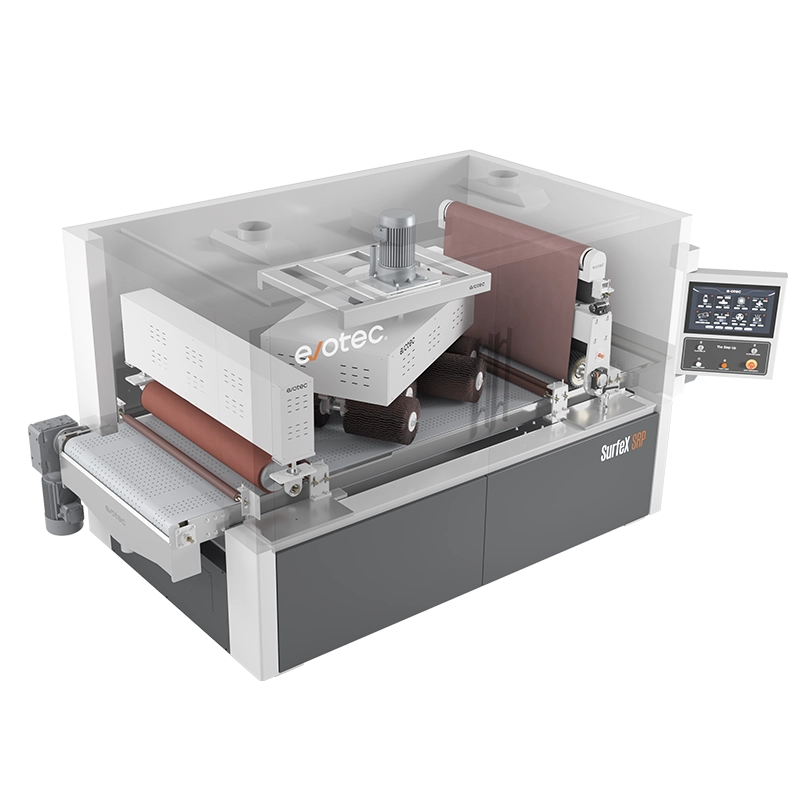
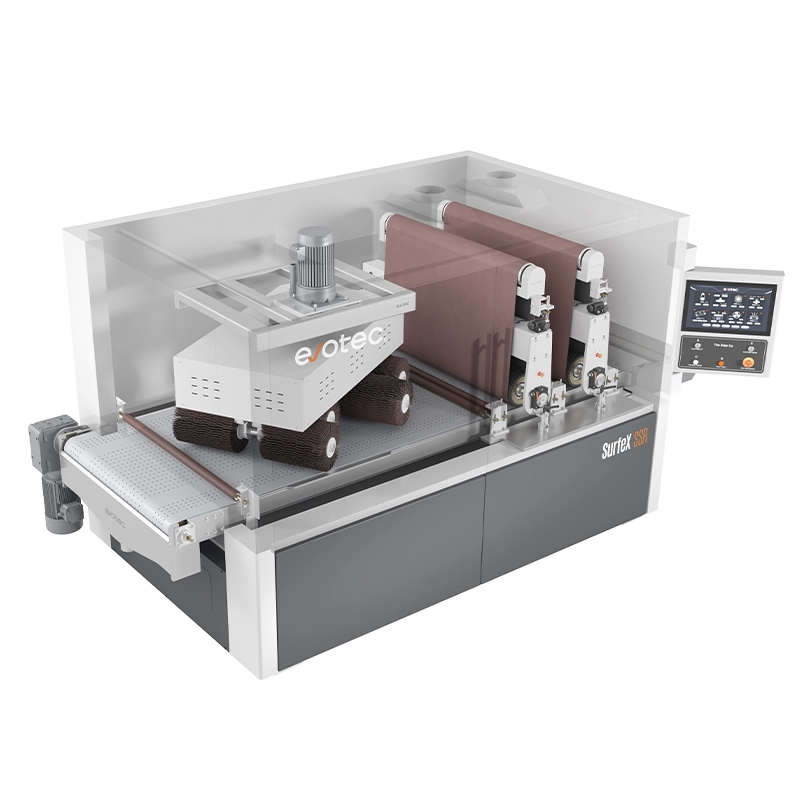
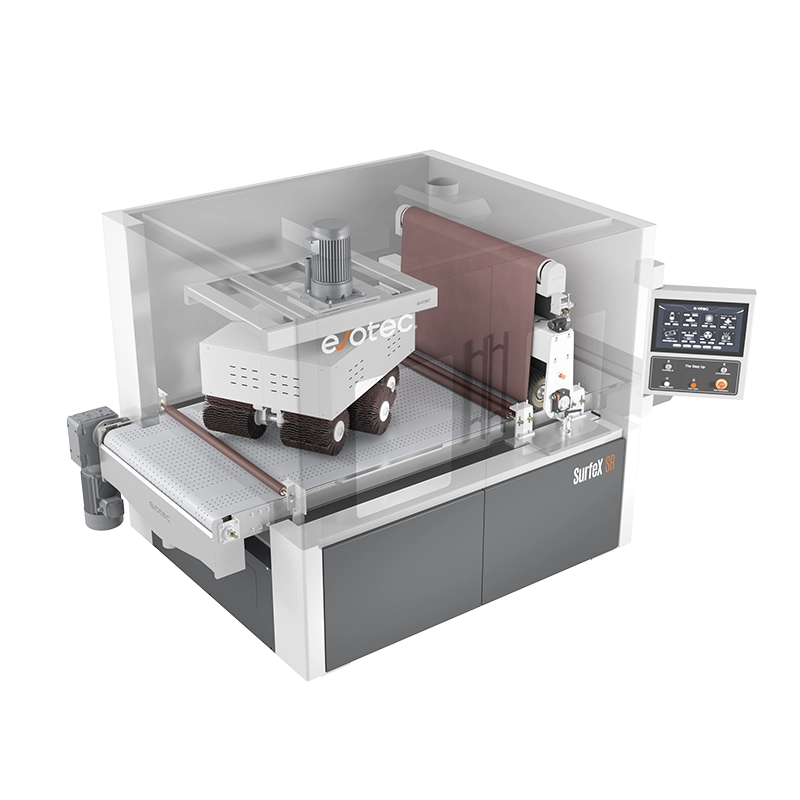
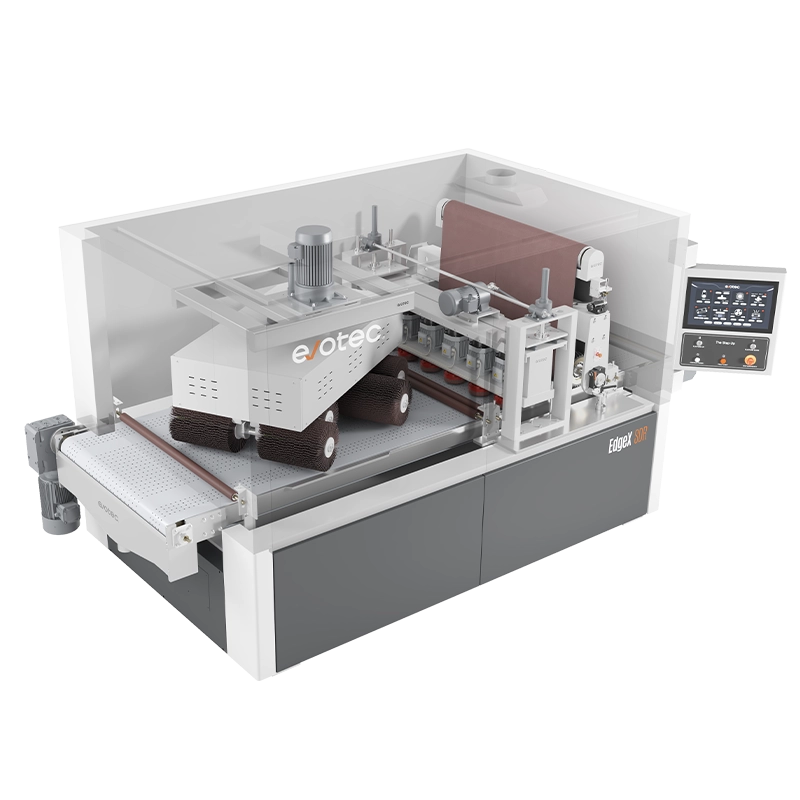
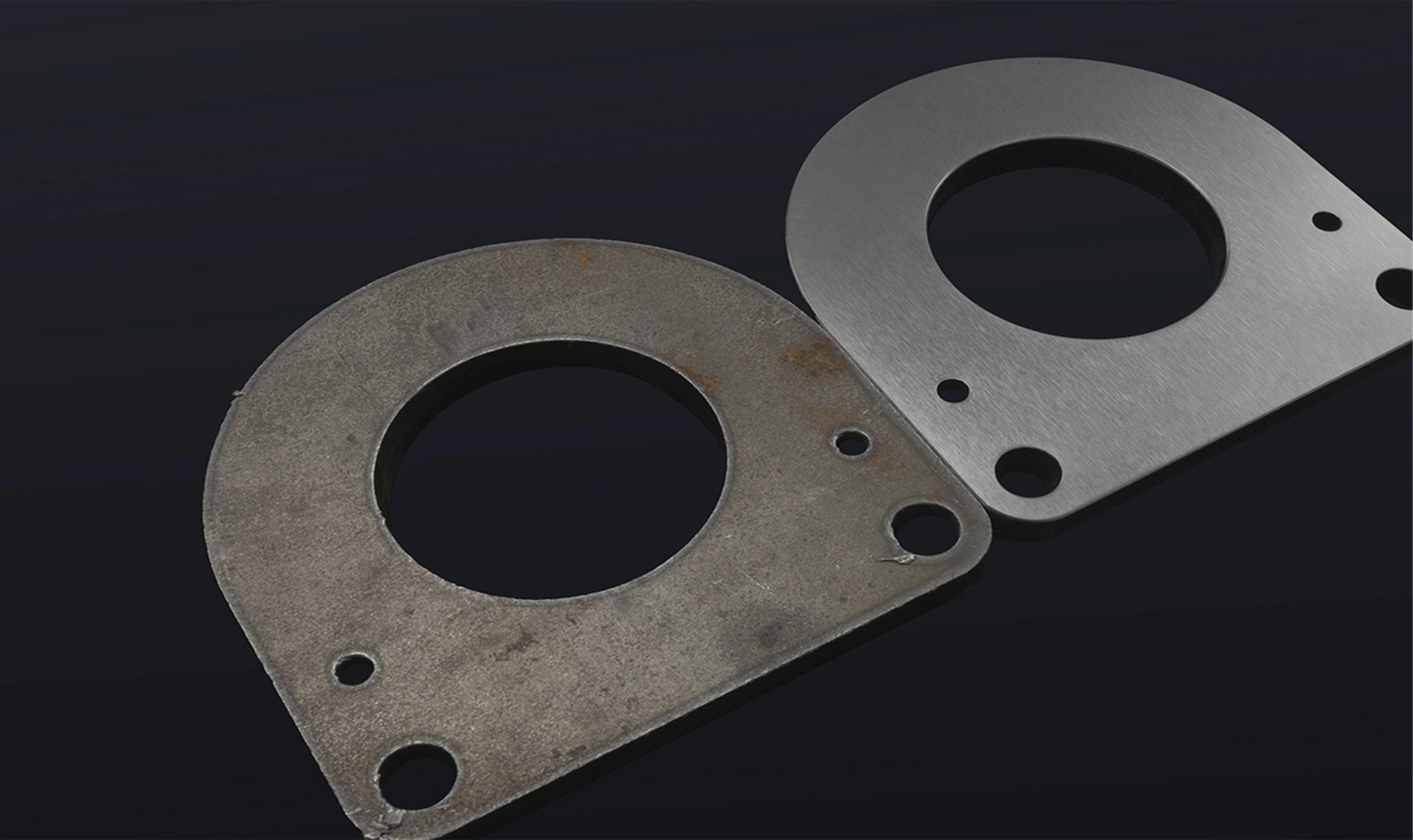
What Deburring Actually Removes?
Different cutting processes leave different types of edge and surface defects. The treatment required depends on what the cutting process produces.
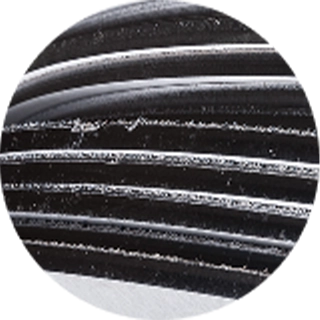
Burrs generated by laser-cut and punched parts
Thin, sharp metal protrusions along the cut edge, extending vertically or laterally from the cut face. Laser cutting carbon steel with oxygen assist gas also produces a dense oxide layer along the cut edge, which blocks coating adhesion and introduces porosity in subsequent welds.
Laser oxide layer
Oxygen assist gas reacts with the cut surface during laser cutting, leaving a dense dark oxide layer on the surface and along the cut edge. This layer blocks coating adhesion and introduces porosity in subsequent welds. It is a separate defect from the burr itself and requires its own abrasive action to remove.

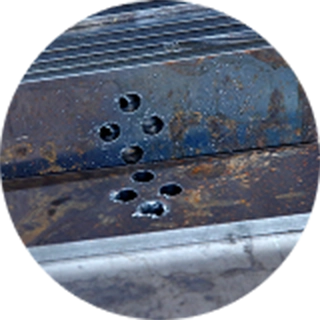
Slag on plasma-cut and flame-cut (oxyfuel) thick plates
Hardened residue formed when molten metal re-solidifies on the workpiece after cutting. Slag is harder and thicker than standard burrs. For heavy slag, abrasive belts wear against it rapidly and cannot remove it reliably. A mechanical impact station — Evotec's Slag Hammer — is optimal to fracture it before abrasive sanding begins.
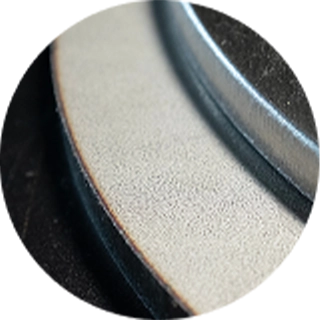
Sharp edges produced by all cutting processes
All cutting processes leave geometrically sharp edges, even when the cut face looks clean. Coatings thin at sharp corners due to surface tension — this is where coating failures and rust initiation begin. Edge rounding creates a controlled radius that allows coatings to build to proper film thickness across the corner.
How a Deburring Machine Processes a Part?
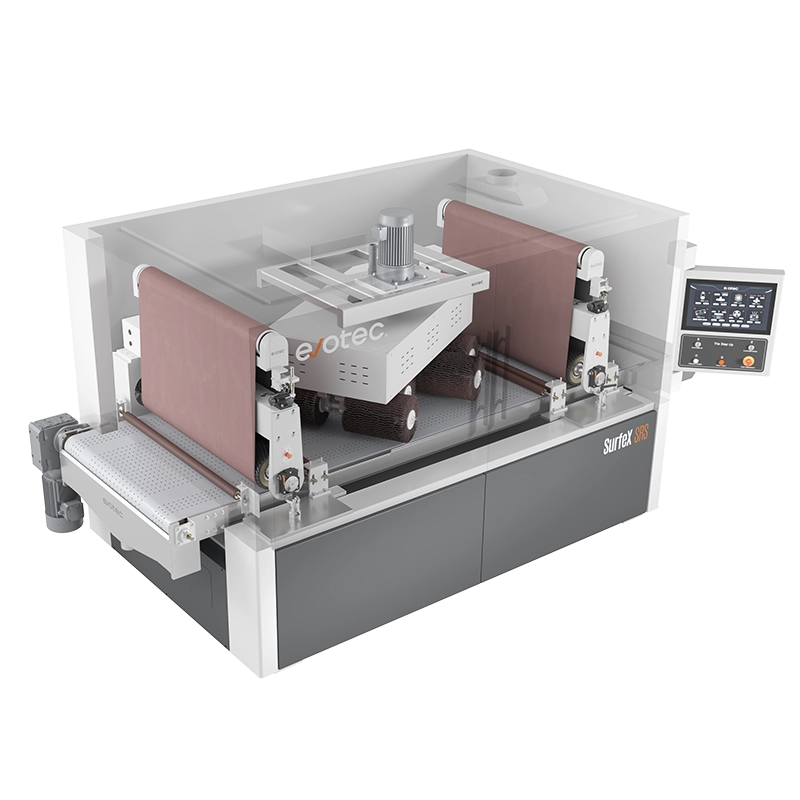
The machine moves parts along a conveyor belt through a sequence of abrasive processing stations. Each station performs a specific task. A single conveyor pass can combine multiple operations. The conveyor also holds metal parts in place and performs effective dust extraction.
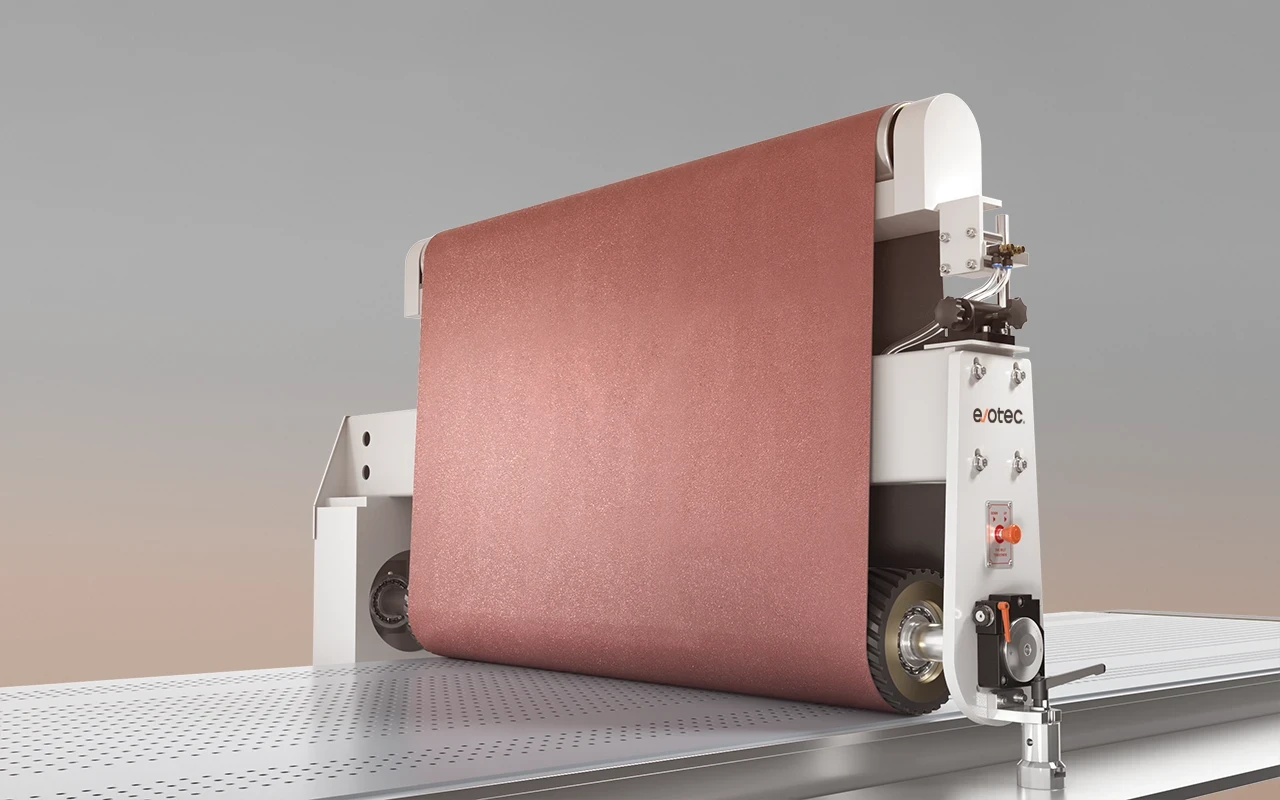
Drum Head
A high-speed abrasive belt contacts the part surface, removing burrs, small to medium-size slag, and oxide layers. The primary station for coarser surface defects.

Top Brushes
Flexible brush elements extend into holes, slots, and internal cutouts, removing burrs and oxide from inside edges. This is what enables internal feature chamfering — a capability specific to the EdgeX SDR.
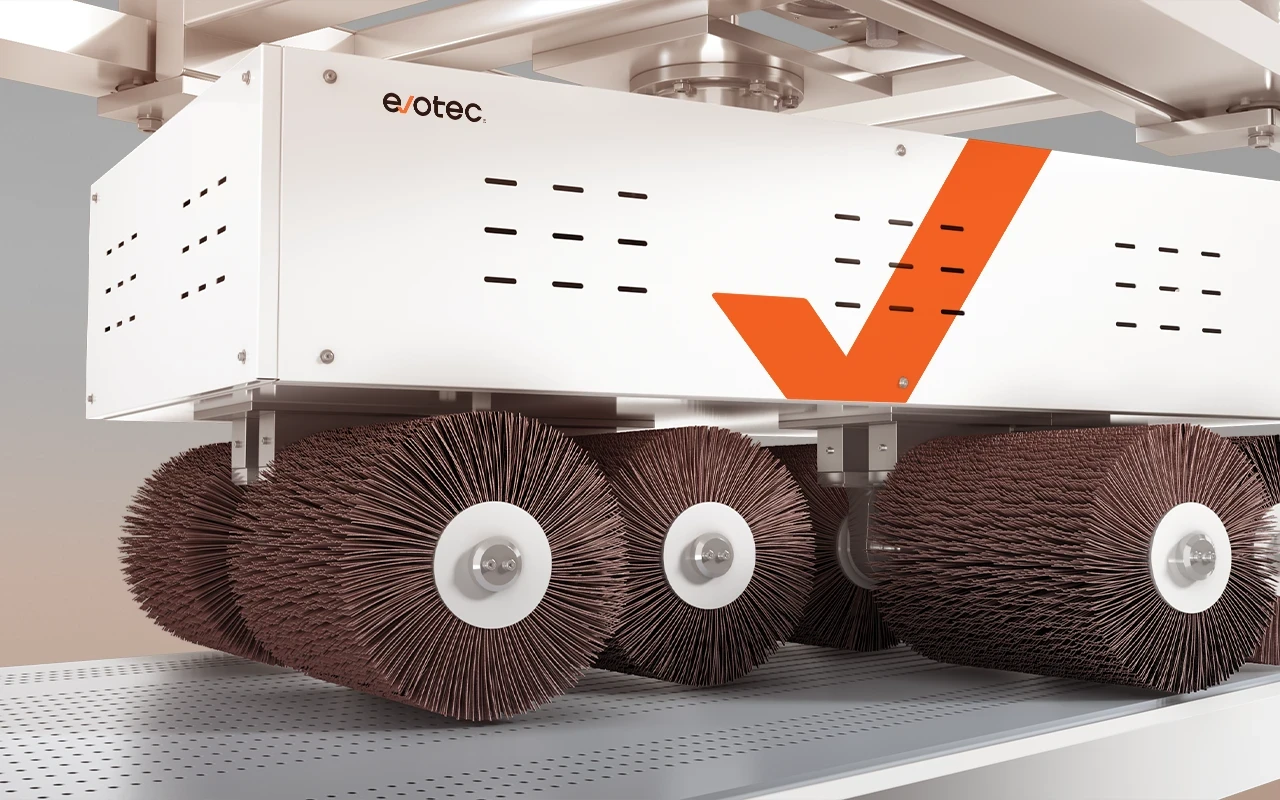
Rotary Brushes
Apply consistent pressure to all external edges and surface, producing a controlled corner radius and a non-direction surface texture. Depending on brush count and belt speed, radii from R0.3 to R2.5+ are achievable in a single pass.
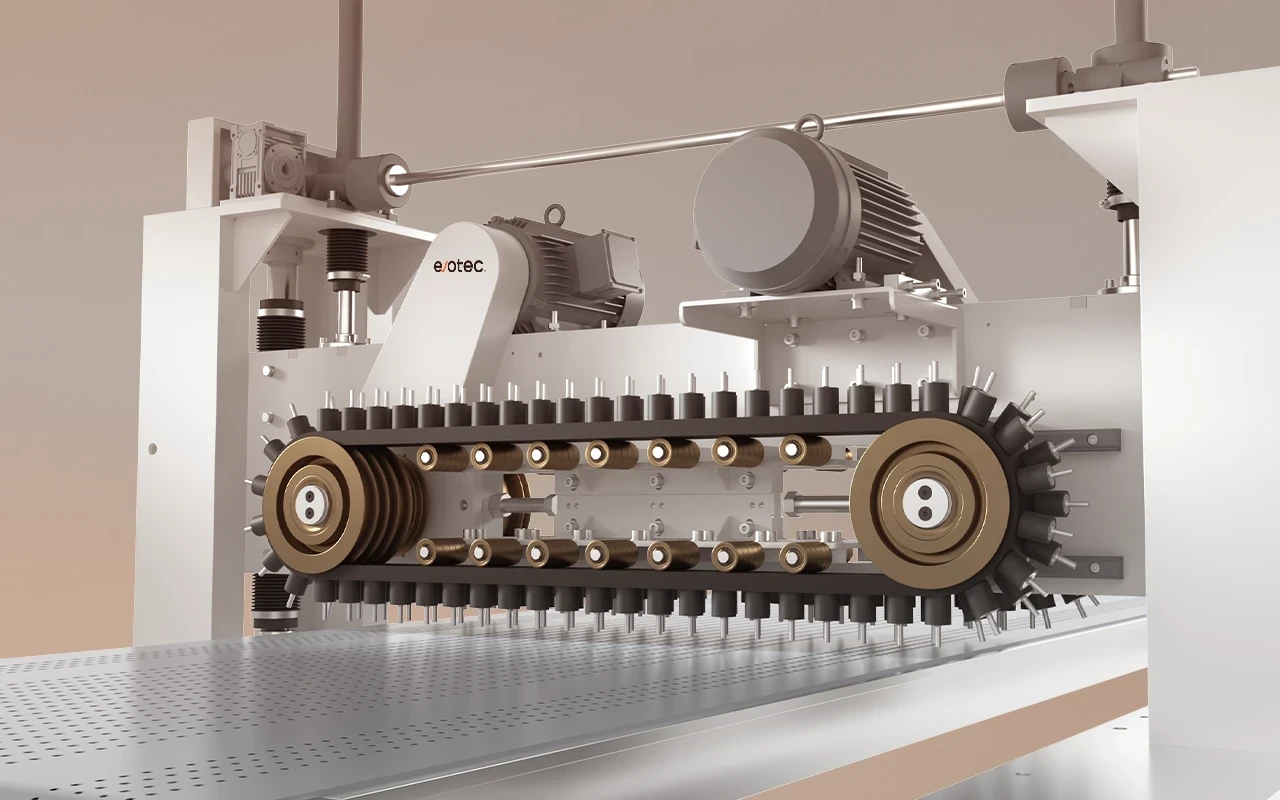
Slag Hammer
A robost working station that pre-treats large burrs and heavy slag, reducing slag load to prevent uneven wear on the abrasive belt.

Parts enter at the infeed end and exit finished, with no intermediate handling required.
Evotec's EvoFlow conveyor system uses its proprietary AirLock® (vacuum), MagniLock® (magnetic), or combined workpiece retention mechanism to stabilize parts throughout processing. Minimum processable part size is 50×50 mm (2"×2") across the full range.
What about Manual Deburring vs. Automated Deburring?
Manual grinding has a place — very low volumes, one-off parts, highly irregular geometries. In a production environment that requires consistent output, it has structural limitations. As volume grows, manual deburring becomes the constraint — and adding headcount does not proportionally improve quality consistency.
Automated deburring machines deliver the same result on every part, through fixed parameter settings and mechanically consistent processing stations. Whether the first part or the thousandth, the output is the same.
Evotec Deburring Machine Product Lines
Evotec's deburring range is organized into four series, each built for a specific combination of processing requirements and production scale. Evotec also provides fully custom deburring machines if your fabrication line doesn't fit into typical deburring solutions.
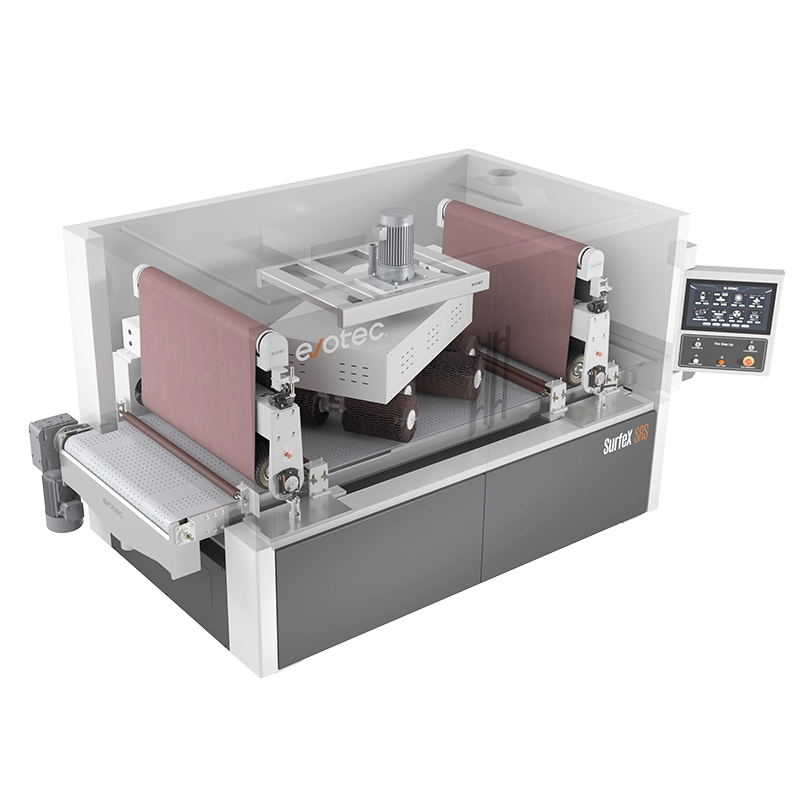
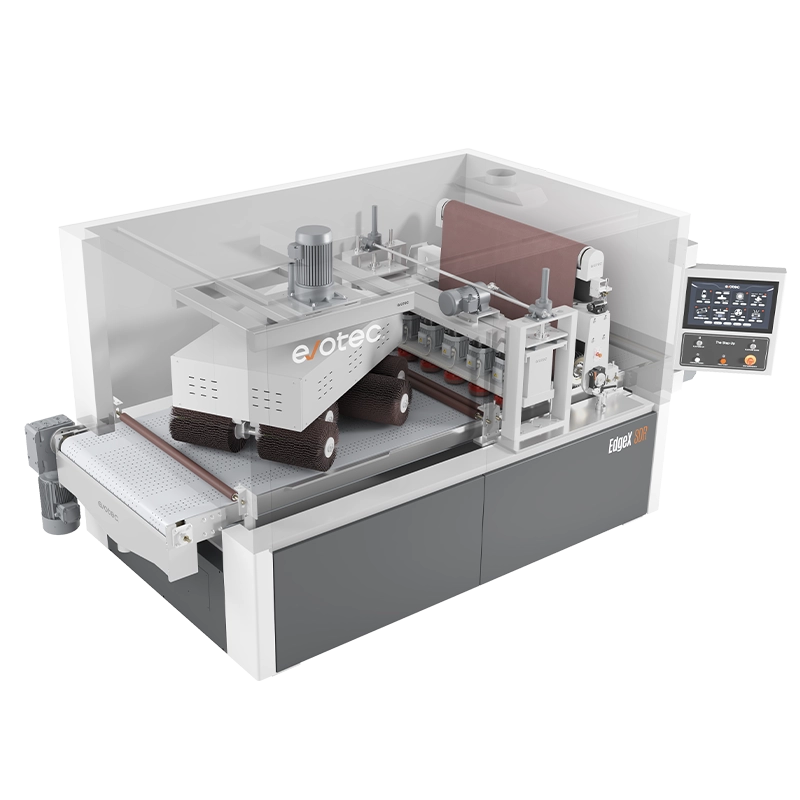
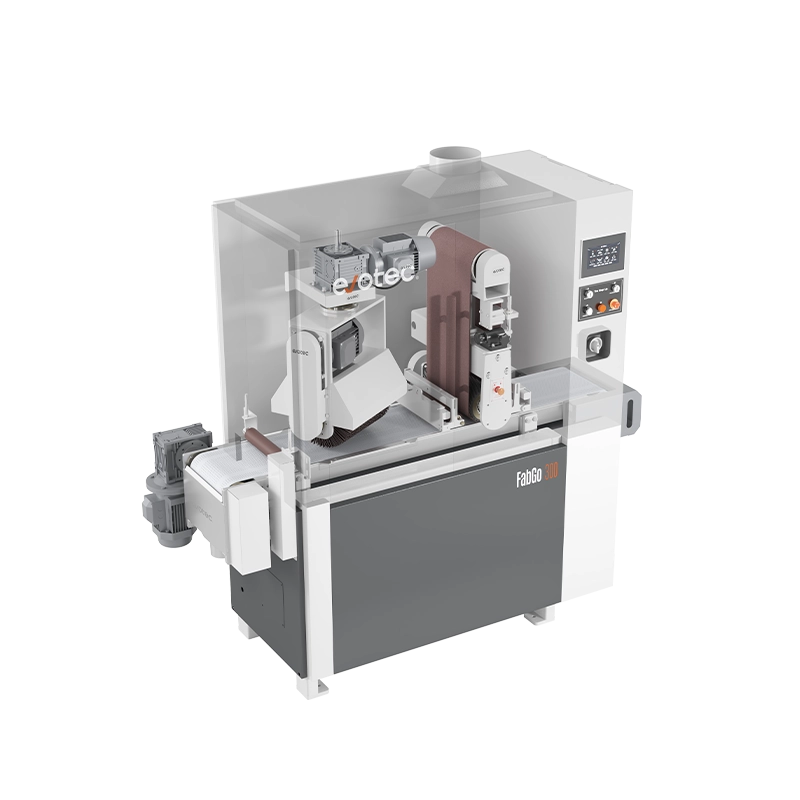
Full Comparison of Evotec’s Deburring Machines
All models, side by side
Deburring by Material: What Changes and What Doesn't
The core process principles are consistent across materials. Parameters, abrasive selection, and machine configuration require adjustment per material type.

Carbon Steel
The most common application. Standard drum head plus rotary brush configurations handle burrs and non-directional-texture surface finishing effectively.
Laser-cut carbon steel requires oxide layer removal too — untreated oxide blocks coating adhesion and introduces weld porosity. All Evotec models remove oxide and produce a uniform, coating-ready surface in a single pass.
Plasma and flame-cut carbon steel thick plate typically requires the SlagMaster HSR Slag Hammer station for slag removal before abrasive finishing.

Stainless Steel
Two specific considerations apply to stainless steel deburring and processing:
First, heat management. Stainless steel conducts heat poorly and localizes heat during grinding, which damages the passive layer and causes heat tint discoloration — blue, gold, or brown zones on the cut surface. Belt speed and contact pressure require adjustment to prevent overheating.
Second, abrasive contamination. Belts used on carbon steel must not be used on stainless steel. Embedded carbon steel particles become corrosion initiation points. Evotec's EvoGrit 3.0 abrasive system includes stainless-specific variants to prevent cross-contamination.
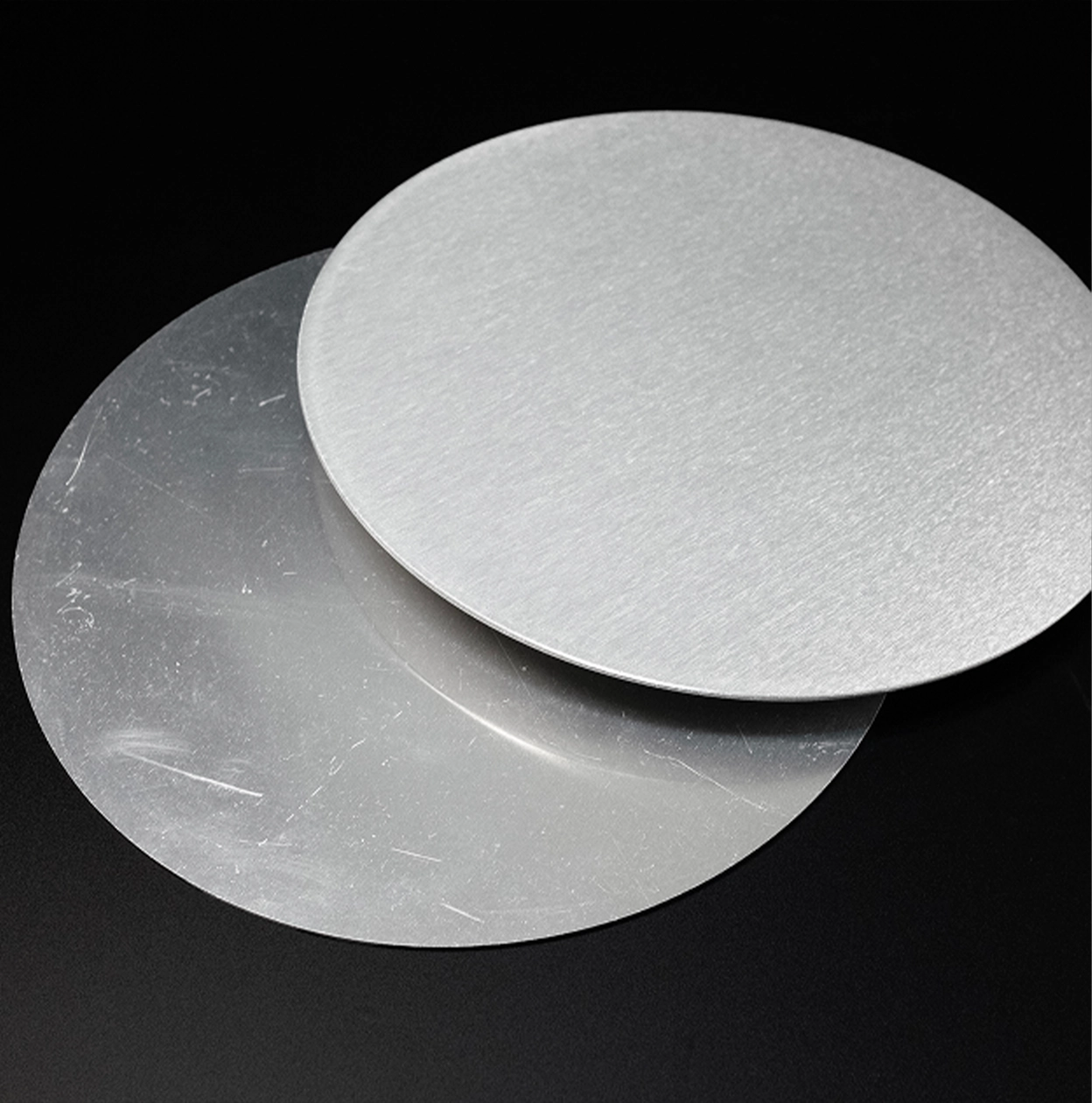
Aluminum
Aluminum deburring differs fundamentally from steel. Aluminum is soft, thermally conductive, and produces adhesive grinding debris that loads abrasive belt surfaces and reduces cutting efficiency.
Lower contact pressure is required to avoid surface deformation. Evotec's deburring machines can also deburr aluminum parts with protection films attached.
Aluminum chips and steel chips must not share the same dust extraction system — mixed-metal dust creates fire and explosion risk. Aluminum processing typically requires wet dust extraction (Hydro Dust 2.0).

Brass and Cold Plate
Brass requires similar low-pressure settings to aluminum, with dedicated abrasive selection. Cold plate — hot-rolled steel thick plate — is typically combined with plasma or flame cutting and processed on SlagMaster models for slag removal.
Automation Reduces Labor Dependency and Enables Continuous Production.
Every hour a deburring machine runs without manual loading or flipping is an hour your operators spend on work that actually requires them. Evotec's automation add-ons remove the repetitive handling — loading, flipping, changeover — so the people on your floor are solving problems, not feeding a machine. Evotec provides the following automation solutions:
Double-sided deburring
Automated loading
Recipe recall
Factory Integration
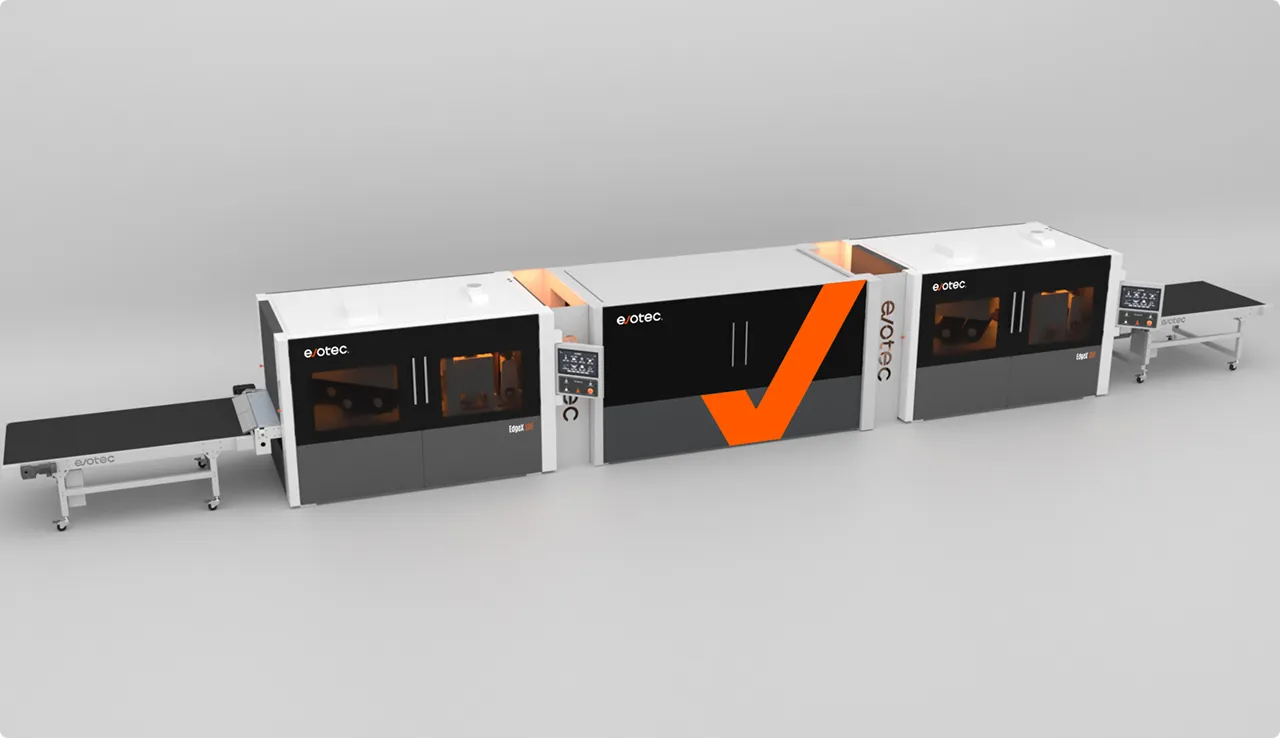
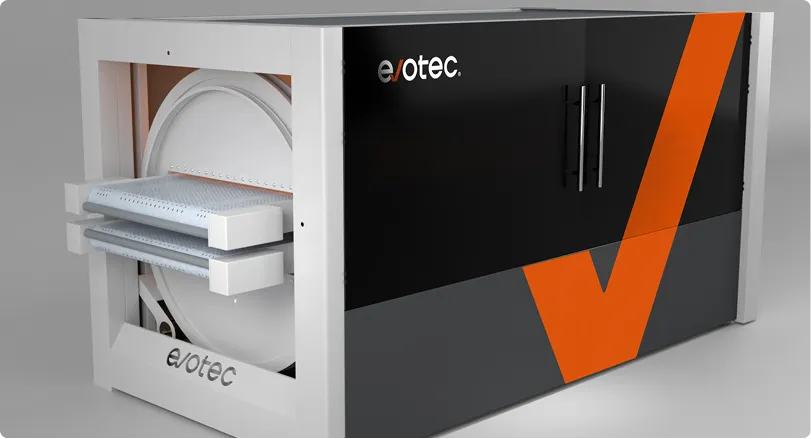
Double-Sided Deburring: Three Common Approaches
Most sheet metal parts require processing on both faces. Evotec offers three industry-standard approaches, each suited to different throughput requirements and automation levels.
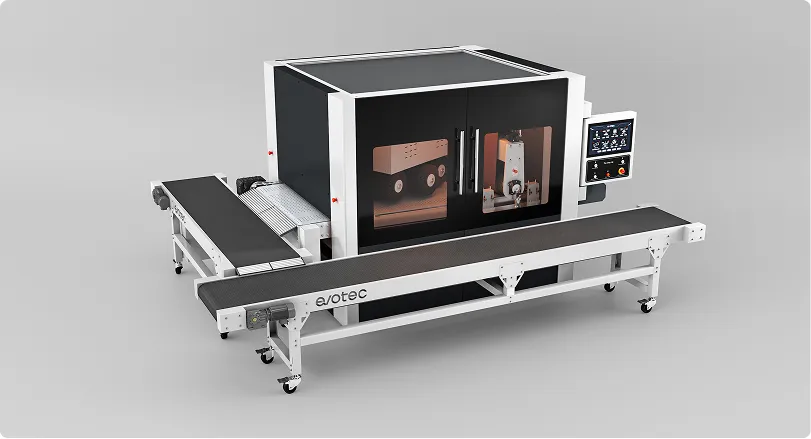


Automated Loading: VSORT
VSORT is a vision-guided robotic loading system for Evotec deburring machines. A 3D vision camera identifies part position and orientation directly from a stack or pallet — no fixtures or manual alignment required. The robotic arm picks each part using vacuum suction or magnetic end-effectors and places it onto the infeed conveyor.VSORT removes repetitive manual loading from the deburring cell, enabling continuous, unattended operation.
Parameter Management: EvoTrack
In high-mix production, changeover time accumulates. A machine processing multiple materials and thickness ranges throughout a shift requires re-setup between each batch unless parameters are stored.
EvoTrack stores complete parameter sets per part type — belt speed, contact pressure, individual station enable/disable states. Operators recall stored parameters at changeover. No manual re-setup required.

Why Evotec?
Evotec has been building automated deburring and surface finishing machines since 2014. The manufacturing base covers 800,000+ m², with 2,000+ machines delivered yearly across 8+ global offices. 100+ dedicated R&D engineers work across 2 technology centers.
Every machine undergoes multi-stage inspection and full-capacity testing before shipment — verifying throughput, abrasive wear, dust extraction performance, and safety systems under operating conditions.
FAQs
Deburring removes the metal protrusions left by cutting — burrs, slag, and raised material along the cut edge — making the edge flat and safe to handle. Edge rounding goes further: it grinds the sharp corner into a controlled arc with a defined radius — R0.5, R1.0, R2.5+. Both operations can be completed on the same machine in sequence, but they are separate processing objectives with different parameters. Coating specifications commonly require a minimum edge radius, which is why edge rounding matters beyond basic deburring.
Yes, with the right configuration. Laser-cut parts carry relatively thin burrs that standard abrasive stations handle without difficulty. Plasma and flame-cut parts may carry hardened slag that requires the Slag Hammer station to fracture before abrasive finishing. SlagMaster HSR supports independent station enable/disable — when processing a laser-cut batch, the Slag Hammer station can be bypassed and only the abrasive stations run.
Depending on machine model and station configuration, achievable radii range from approximately R0.3 to R2.5+. EdgeX SDR is the right model validated to R2.5+, achieved through its three-station configuration — Drum Head, Top Brushes, Rotary Brushes — including internal holes and slots. Powder coating applications typically specify a minimum of R0.3–R0.5. Outdoor and corrosion-environment parts commonly require R1.0–R2.0+.
Aluminum requires lower contact pressure than steel to avoid surface deformation. Aluminum grinding debris is adhesive and loads abrasive belts faster than steel swarf — aluminum-specific abrasive configurations are recommended. SlagMaster HSR is not suitable for aluminum.
50×50 mm (2"×2") across the full Evotec conveyor range. EvoFlow's AirLock® (vacuum) and MagniLock® (magnetic) retention systems stabilize small parts on the belt through all processing stations. FabGo 300 is the first choice for small parts — its 300 mm working width and compact station configuration are built for that application.
A deburring machine is positioned at the laser cutter's outfeed, connected by conveyor to form a continuous flow. Integration planning requires confirming belt speed compatibility (deburring machines run at 1–7 m/min), a loading method between the two machines (VSORT or manual), and dust extraction capacity for continuous combined operation.
FlatLine machines are suitable for carbon steel, stainless steel, aluminum, and other common sheet and plate metals. Contact us to confirm suitability for specific materials or high-strength grades.
Any other questions?
No questions are too big or small — send us your questions and we will get back to you as soon as possible.
Get in touch.
Material, thickness, working width, and throughput requirements determine the right machine and configuration. Submit your part details and Evotec's engineering team will return a specific configuration recommendation within 24 hours (during work days). Parts and drawings can also be sent for test processing — results are returned before any purchase decision to be made.
